Barracuda chain of bugs could give attackers root
Two chained bugs — including CVE‑2026‑116606 (CVSS 9.3) — could hand attackers root on Barracuda devices. Here’s the email and deliverability fallout, and what to fix now.

By Theo Marsh· Email Vox · 5 Nov 2026
Key facts
- ■Barracuda disclosed two chainable flaws enabling pre-auth bypass to root.
- ■One bug is CVE-2026-116606, rated CVSS 9.3 (Critical).
- ■A compromised email gateway can alter filtering, routing, and DKIM signing.
- ■Outbound abuse from a hijacked SEG risks blocklists and inbox placement.
- ■Teams should patch fast, rotate DKIM keys if exposed, and monitor reputation.
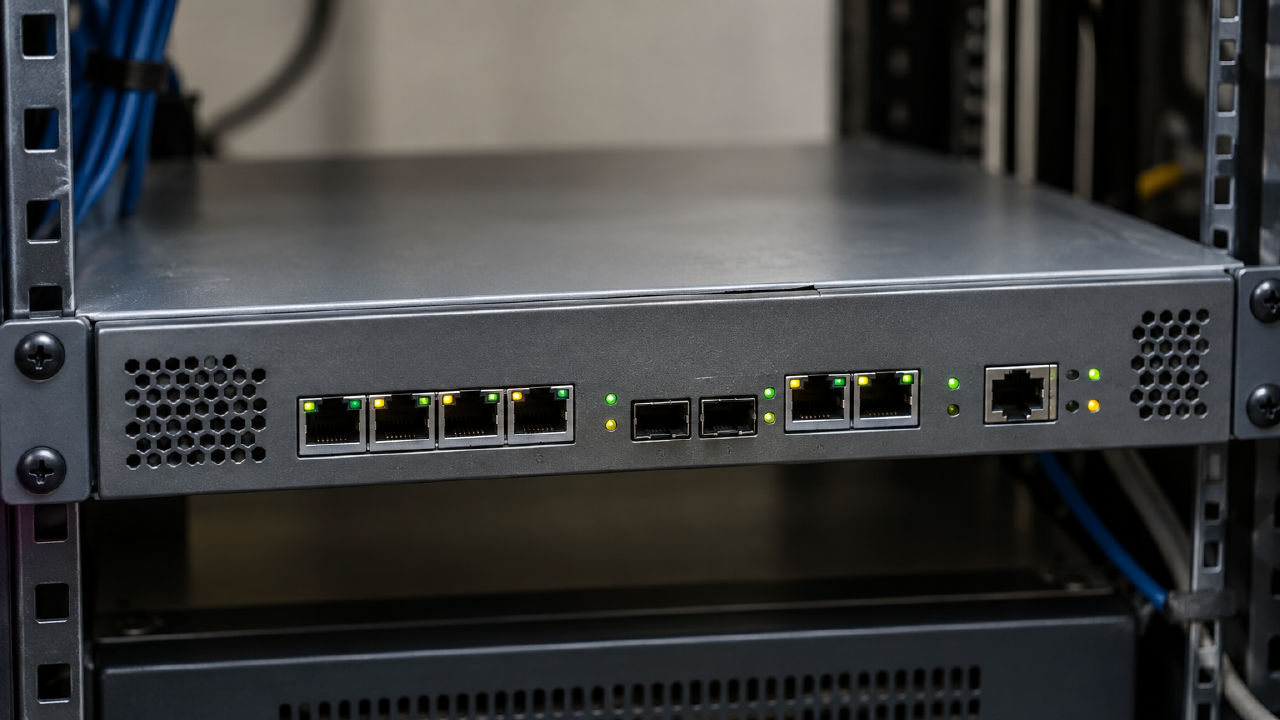
Barracuda just put a big exclamation point on patch hygiene for anyone running a secure email gateway. The company disclosed two flaws that, chained together, could let attackers slip past authorization and grab root on affected devices.
The top-line: one is a pre-authentication authorization bypass, the other a command injection. The pair includes CVE-2026-116606, rated 9.3 on the CVSS scale, which puts it squarely in Critical territory, per The Hacker News.
What happened
Barracuda said two vulnerabilities in its products can be combined to defeat authorization checks before login and ultimately execute commands as root. One of the issues is explicitly pre-auth, which means an attacker does not need valid credentials to start the chain, according to the disclosure covered by The Hacker News.
The identified CVE, CVE-2026-116606, carries a CVSS score of 9.3, indicating a high likelihood of exploitation and severe impact if abused. Barracuda also described a command injection flaw that becomes far more dangerous when triggered after the initial authorization bypass, enabling full device takeover.
Chaining pre-auth bypass with command injection is the classic one-two for appliance compromises: first step in without keys, second run arbitrary commands with the highest privileges. On email gateways, that privileges jump can quietly alter traffic, logging, and trust anchors without tripping user-facing alerts.
Barracuda indicated its products are affected but has not, in the material cited here, listed specific models or software versions. For administrators, that means the only safe assumption is to verify your exact device against the vendor’s advisory and apply fixes as provided.
A root-level compromise on a secure email gateway (SEG) is not just a security story—it’s a deliverability story. An attacker sitting at root can change filtering thresholds, rewrite routing, and capture or forward messages, creating silent data exposure alongside sudden shifts in reputation signals.
If your SEG signs outbound mail, a compromise could expose or misuse DKIM keys. That can let forged messages pass DomainKeys Identified Mail (DKIM) checks, at least until keys are rotated, creating confusing signals for receivers and potential brand spoofing that still authenticates.
If your SEG relays outbound traffic, a compromised device can become an on-ramp for spam runs, pushing your sending IPs toward blocklists. That cascades into higher bounce rates, deferrals, and poor inbox placement, especially at Gmail and Yahoo, just when seasonal volume tends to climb.
Attackers with root can also tamper with quarantine, journaling, and archival paths, complicating incident response. Changed log settings or disabled audit trails make it harder to reconstruct what left the building and when, which lengthens recovery and invites compliance headaches.
Authorization bypass means segmentation matters. A gateway with management interfaces reachable from untrusted networks expands the blast radius. Appliances tucked behind VPN and admin jump hosts reduce drive-by risk, but pre-auth flaws still make exposed web UIs and APIs high-priority to restrict.
For mail teams, the practical implication is order of operations. Patch immediately, then validate: confirm outbound paths, check DKIM selectors and keys, and test that anti-spam and anti-malware policies still apply as intended after updates. That post-patch check catches both attacker changes and configuration drift.
Reputation monitoring should spike temporarily. Watch SMTP error codes for new 4xx/5xx patterns, track complaint rates, and look for unusual increases in authentication failures. Sudden growth in SPF or DKIM failures on legitimate campaigns can hint at key or routing tampering.
If keys might have been exposed, rotate DKIM for any domain signed by the affected box. Publish new DNS TXT records, run overlapping selectors during cutover, and deprecate the old keys on a deliberate schedule to avoid breaking flows. Keep an eye on p=reject policies in DMARC to ensure alignment remains intact.
Blocklist checks belong on the same checklist. Query public lists and major proprietary signals via your provider. If you see a listing, pause bulk sends from the implicated IPs, remediate the source, and follow each list’s delisting process. Resume only after error rates normalize.
We’ve covered how security shocks often spill into inbox placement. See our guidance to harden deliverability when security headlines spike and our step-by-step plan to lock down your email in 30 days without tanking performance. The broader deliverability hub tracks how these issues connect.
If this exploit chain feels familiar, that’s because route-to-root appliance bugs have featured in other stacks too. Our coverage of Ivanti VPN bugs chained to root shows how pre-auth gaps become springboards when paired with command execution flaws.
It’s also worth planning for a noisier phishing week whenever a gateway vendor posts a critical. Attackers often time lures around news. We shared a field-tested response in Your inbox‑safe plan for a noisier week of phish, which applies here: slow the impulsive sends, tighten monitoring, and keep authentication airtight.
The background
Secure email gateways sit inline with SMTP traffic, scanning inbound and often handling outbound relay and signing. That central role concentrates trust, credentials, and message flows on one hardened device—making any root-level flaw disproportionately risky.
Pre-authentication authorization bypass means an attacker can trigger the vulnerability before logging in, often via a web interface. When a pre-auth bug pairs with command injection, exploitation paths widen to scripted attacks that do not require user interaction.
CVE-2026-116606’s CVSS 9.3 score signals a combination of low attack complexity and high impact. CVSS (Common Vulnerability Scoring System) weights factors like required privileges and user interaction; numbers above 9 typically warrant immediate, out-of-band patching.
Command injection on an appliance lets attackers run shell commands or system binaries under elevated privileges. When that elevation reaches root, mitigations like role-based access controls on the admin UI become irrelevant until the device is cleaned and resecured.
SEG compromises set up second-order abuse. With control of routing and signing, an attacker can stage more convincing business email compromise (BEC) attempts, ensure their mails clear inbound filters, and even suppress alerts by tuning local policies.
Outbound abuse risks direct placement penalties. Receivers track IP and domain behavior over time, and unusual bursts tied to a compromised gateway can drag down long-built reputations. Recovery often takes longer than the intrusion window itself, as reputation metrics rebound slowly.
Key custodianship matters. Storing DKIM private keys on an appliance is common, but it concentrates risk. Rotations, hardware-backed key storage when available, and limiting which domains a device may sign can reduce the blast radius if a box is ever popped.
What people are saying
Barracuda’s disclosure, as reported by The Hacker News, frames the pair of vulnerabilities as chainable to root access, with CVE-2026-116606 rated at 9.3. The company’s advisory is the authoritative source for affected versions and patch availability.
Security teams typically respond to pre-auth appliance bugs by restricting management-plane exposure, accelerating patch rollout windows, and increasing telemetry collection. For SEGs, that also includes near-term audits of mail routing, signing, and quarantine integrity.
Deliverability leads are likely to slow high-volume campaigns while monitoring reputation metrics. Pauses help avoid turning a latent compromise into sender score damage, especially at providers where complaint thresholds are tight and recovery cycles are long.
What happens next
Expect urgent patches and configuration guidance from Barracuda. Admins should plan for quick maintenance windows, followed by validation tests that send signed messages, exercise quarantine workflow, and confirm logs are complete and unaltered.
If investigations uncover signs of compromise, teams will need to rotate DKIM keys, reset admin credentials, and review SMTP relay allowlists. They should also notify stakeholders about any potential exfiltration or misrouting that could affect legal or compliance obligations.
Finally, keep a short-term watch cadence: daily checks of authentication pass rates, error mix, and blocklist status for at least two weeks after patching. If metrics wobble, tighten sending volumes and revisit the remediation steps outlined above and in our 30‑day lock‑down guide.
The Email Vox take
-
Patch first, verify second. Apply Barracuda’s fixes as soon as they’re available. Then validate that outbound mail flows, DKIM signing, and quarantine automations still behave as expected.
-
Rotate and watch. Rotate DKIM keys that ever touched the impacted gateway, tighten SMTP relay ACLs, and turn on high-signal monitoring: sending IP reputation, SMTP error mix, and complaint rates—especially at Gmail and Yahoo.
Frequently asked questions
- what did barracuda disclose about these vulnerabilities?
- Barracuda detailed two flaws that can be chained to bypass authorization and achieve root access on affected devices, including CVE-2026-116606 with a CVSS score of 9.3.
- which barracuda products are affected?
- Barracuda said its products are affected but did not specify models in the disclosure referenced here. Check the vendor’s advisory for your device.
- how bad is cve-2026-116606?
- It carries a CVSS score of 9.3, which is Critical. Chaining it with a command injection bug can lead to root access, according to the disclosure.
- is this a pre-auth issue?
- Yes. One of the flaws is a pre-authentication authorization bypass, meaning an attacker can exploit it without valid credentials.
- what could attackers do if they get root on a secure email gateway?
- They could alter filtering, exfiltrate mail, tamper with DKIM signing, insert rules, or use the box to relay spam, risking blocklists and brand damage.
- what should email teams do right now?
- Patch immediately per Barracuda’s guidance, audit mail flow and DKIM keys, review SEG rules, and monitor for signs of abuse or unusual relays.
- does this change dmarc or spf settings?
- No settings automatically change. But a compromised gateway could misuse your DKIM keys or relay spoofed mail that still passes SPF.
- where can i read the technical details?
- See the disclosure reported by The Hacker News: https://thehackernews.com/2026/11/barracuda-flaws-could-be-chained-to.html
Why this matters
Email security gateways sit inline with business mail. A root-level compromise doesn’t just risk data; it can quietly change filtering, DKIM signing, and outbound relays. That can tank sender reputation, trigger blocklists, and muddle incident forensics. Understanding how appliance bugs translate into deliverability and trust risks helps teams respond in the right order: patch fast, rotate credentials, verify integrity of mail flows, and monitor the metrics mailbox providers actually use to judge your program.
Sources
Reporting draws on the public sources listed above. Spotted an error? Request a correction.
Related coverage

Gmail’s reputation colors are gone. Your plan can’t be.
Mailgun’s panel says the traffic-light is gone, not the data. Here’s how to baseline, monitor, and act when holiday volume hits.
17 Oct 2026

Lock down your email in 30 days, no drama
A 30‑day security-and-deliverability tune‑up built from fall 2026 headlines: MFA‑bypass phish, AI‑baited inbox tools, Gmail’s vanished colors, and sharper blocklists.
18 Oct 2026

Your inbox‑safe plan for a noisier week of phish
A week of breaches and takedowns means more phishing noise—just as Gmail gets pickier. Here’s a precise, testable plan to harden without tanking placement.
2 Nov 2026
Google adds Gmail reply controls to Workspace Studio
Workspace Studio’s October update adds reply filtering, nested logic, document search and more meeting data—small controls that could make email workflows less repetitive.
10 Oct 2026

Cisco email gateway zero-day turns attachments into root access
Cisco has patched CVE-2026-76519 after detecting active exploitation. Administrators need to check the attachment scanner version, mail policies and signs of compromise.
9 Oct 2026

Microsoft’s October Exchange patches: here’s who can install them
Microsoft’s October 2026 Security Updates land for specific on‑prem Exchange builds—some behind ESU. Here’s exactly who can patch, and what Microsoft says it fixed.
16 Oct 2026