AI is naming winners. AEO helps you be one of them
AI answers are stealing clicks. Answer engine optimization (AEO) aims to get your brand named inside those summaries—so the shortlist still includes you.

By Owen Reyes· Email Vox · 23 Nov 2026
Key facts
- ■Copyblogger’s AEO guide says AI tools cite Reddit, YouTube, Wikipedia, LinkedIn and reviews most often.
- ■Pew (Mar 2025): clicks fell to 8% when an AI summary appeared, versus 15% without.
- ■Ahrefs (Jun 2025): AI search sent 0.5% of visitors but 12.1% of signups to its site.
- ■AEO requires allowing AI crawlers (OAI‑SearchBot, GPTBot, PerplexityBot, ClaudeBot) and minimizing JavaScript‑only content.
- ■Gartner (2024) called generative AI tools “substitute answer engines,” formalizing the shift from links to answers.
- ■Semrush (Nov 2026): 22,200 US searches for “aeo” vs 9,900 for “generative engine optimization.”
Timeline
- 2023Researchers coin “generative engine optimization” (GEO) in an academic paper.
- 2024Gartner describes generative AI tools as “substitute answer engines.”
- March 2025Pew analysis finds 8% clicks with AI summary vs 15% without.
- June 2025Ahrefs reports AI search was 0.5% of visitors but 12.1% of signups.
- November 2026Semrush shows 22,200 US searches for “aeo” and 9,900 for “generative engine optimization.”
AI assistants are swallowing the click. That’s the blunt takeaway for marketers staring at shrinking organic traffic and wondering where buyers went. The better question now is: when someone asks an AI tool who to hire or what to buy, does the answer actually name you?
That is the promise of answer engine optimization (AEO): shaping what AI tools quote, cite, and recommend so your brand makes the shortlist. Copyblogger’s new guide argues AEO doesn’t replace SEO—but it does change the win condition from “rank high” to “get mentioned in the answer” (source).
What happened
Copyblogger published a detailed AEO playbook explaining how AI answers are assembled, why clicks drop when summaries appear, and what businesses can do to be cited by tools like ChatGPT, Google’s AI Overviews, Gemini, and Perplexity (source). The guide points to a March 2025 Pew study showing people clicked a traditional result on 8% of Google visits when an AI summary appeared, versus 15% without one, highlighting the economic stakes for sites that relied on search traffic.
The guide says answer engines either rely on training data or search the web at query time, with most commercial questions using the second route. It breaks that process into three steps: the engine rewrites your question (what Google calls “query fan‑out”), retrieves top pages and extracts clear passages, then composes an answer that cites concise, consistent facts. That makes straightforward, quotable paragraphs more valuable than vague marketing copy.
It also lists the crawlers AI tools use—OAI‑SearchBot and GPTBot from OpenAI, PerplexityBot, and ClaudeBot—and warns that robots.txt blocks or firewalls can silently remove your content from consideration. Because many crawlers don’t run JavaScript, key facts hidden behind scripts may never be seen, which is a practical risk for modern sites.
The background
AEO shows up under several names—GEO (generative engine optimization), LLMO (large language model optimization), and AI SEO—but the guide notes the goal is the same: being included in AI‑generated answers. It traces “GEO” to a 2023 academic paper and says Gartner in 2024 described generative AI tools as “substitute answer engines,” putting a label on how assistants displace traditional query‑and‑links behavior.
Copyblogger stresses AEO sits on SEO’s foundations. Because answer engines retrieve via search, crawlability, speed, and matching searcher intent still matter. The shift is in how success is counted: a citation, a mention, or—most valuable for service firms—a recommendation that places you on a shortlist when someone asks who to hire. For example, “estate planning attorney in [city]” is a recommendation moment where being named beats being footnoted.
The guide says off‑site reputation matters more than before. AI tools commonly cite Reddit, YouTube, Wikipedia, LinkedIn, and review sites, so a business’s public record must be accurate and consistent across the web. That wider footprint shapes the model’s “general impression” from training data and improves agreement across sources at answer time.
It also flags a quality signal marketers can control: specific, self‑contained facts. Because engines extract passages, answers that plainly state what you do, who you serve, and proof points are easier to lift. Over‑promotional or fuzzy language gets left out in favor of concrete claims other sources corroborate.
What people are saying
Copyblogger cites a March 2025 Pew analysis of 900 US adults showing AI summaries correlate with lower click‑through to traditional results—8% when present versus 15% without—reinforcing why being inside the answer matters. It also points to Ahrefs’ June 2025 data on its own site: AI search drove only 0.5% of visitors but 12.1% of signups, which the guide frames as a single‑company signal that AI‑referred visitors can be highly qualified. The guide cautions readers to treat that ratio as directional, not universal.
On demand for the topic itself, the guide cites Semrush data for November 2026 showing about 22,200 US searches a month for “aeo” and 9,900 for “generative engine optimization,” suggesting growing mainstream interest in the concept and its label.
The playbook’s technical advice is pragmatic: confirm AI crawler access in robots.txt, ensure key facts render without JavaScript, publish clear paragraphs that can stand alone, and build third‑party proof on the sites answer engines cite most. It frames this as a repeatable process—audit where you appear, pick priority questions, write crisp answers, earn mentions, then measure and update.
What happens next
For marketers, the near‑term move is to inventory the questions your buyers ask and test them in ChatGPT, Google’s AI Overviews, Gemini, and Perplexity to see who gets named today. Then fix the two controllables the guide highlights: make your answers quotable on your own properties and make your reputation visible on cited third‑party sites. Because many teams are already rethinking KPIs as AI squeezes clicks, this dovetails with the revenue‑level focus we covered in our London Forum 2026 recap on new email KPIs and our explainer on why open rates lie.
If you’re building AI into your workflow, the same clarity helps assistants produce on‑brand copy. HubSpot’s playbook on Claude showed time savings when prompts and constraints were specific, a theme we unpacked in our coverage of practical AI time‑savers. And if you’re invested in Google’s stack, our rundown of Gemini brand “skills” inside Gmail shows how consistent facts can cascade into better AI‑supported replies.
Finally, treat AEO like a conversion program, not a traffic play. The guide’s example—small AI traffic, outsized signups—implies high‑intent visitors. Make the click count: fast pages, obvious proof, and short forms. Then measure the right thing: signups, replies, and revenue. You can find more coverage of shifts reshaping the inbox and the wider market on our industry hub.
The Email Vox take
Email Vox take
Your next growth levers aren’t just rankings—they’re being named inside AI answers. Treat AEO like a conversion program, not a traffic play.
Quick-start checklist
- Ask ChatGPT, Gemini, and Perplexity your buyer questions; note who they name.
- Unblock AI crawlers in robots.txt; avoid JS‑only content for key facts.
- Publish one clear paragraph answers to your top 10 buyer questions.
- Seed third‑party proof on Reddit, YouTube, LinkedIn, and review sites.
- Tune your high‑intent landing pages for capture (lead magnet, social proof, 2‑field form).
Copy angles you can use
- Subject: “The 60‑second answer to [buyer question]”
- Body hook: “AI tools now summarize the web. Here’s the part they quote from us—and why.”
- CTA: “See our 1‑paragraph guide to [problem], no fluff.”
Frequently asked questions
- what is answer engine optimization (aeo)?
- AEO means getting your business cited or recommended inside AI‑generated answers from tools like ChatGPT, Google AI Overviews, Gemini, and Perplexity.
- is aeo the same as seo?
- No. SEO ranks pages in lists; AEO earns a place inside the written answer. Strong SEO still helps because answer engines pull from search results.
- do ai crawlers need access to my site?
- Yes. Tools use crawlers like OAI‑SearchBot, GPTBot, PerplexityBot, and ClaudeBot. If robots.txt or a firewall blocks them, they can’t retrieve your pages.
- does javascript-only content get used by ai tools?
- Often not. Many AI crawlers don’t run JavaScript, so content that relies on scripts may be invisible to them.
- do ai answers really reduce clicks to websites?
- Yes. A March 2025 Pew study found clicks on traditional results dropped to 8% when an AI summary appeared, versus 15% without it.
- what off-site sources do answer engines cite most?
- Reddit, YouTube, Wikipedia, LinkedIn, and review sites are commonly cited by AI tools, according to the Copyblogger guide.
- what results can aeo produce for a business?
- Three types: a citation (link), a mention (name), or a recommendation (shortlist). Recommendations are most valuable for service firms.
- how do answer engines build an answer?
- They rewrite the question, retrieve top pages, extract clear passages, and compose an answer that cites straightforward, consistent facts across sources.
Why this matters
AI assistants are compressing research into a single box—and shrinking the pool of buyers who ever reach your site. That flips marketing from “earn the click” to “earn the mention.” If you’re not named inside answers, the 92% who don’t click may never meet you. AEO is the practical bridge: make your facts quotable, your reputation machine‑readable, and your landing pages ready for high‑intent visitors.
Sources
Reporting draws on the public sources listed above. Spotted an error? Request a correction.
Related coverage

OpenAI’s GPT-6 Cyber lands 948 Linux exploits—safely
OpenAI’s security models are finding hundreds of real bugs—and sometimes refusing to help. That mix has immediate implications for how fast email ops patch and isolate.
9 Nov 2026

Google adds Meet policy screen and a Drive CSE beta
Meet gets pre‑join policy text. Drive gets a beta to auto‑encrypt “confidential” files. Forms gains Gemini insights. Vids adds Omni 1.2—and pauses custom avatars.
10 Nov 2026
Google locks Studio automations to US/EU regions
Workspace Studio can now keep Gmail-and-Docs automations strictly in the US or EU—with a kill switch for AI and non‑regionalized steps when compliance demands it.
24 Nov 2026

Google’s Gemini can now use your brand ‘skills’ in Gmail
Google’s Gemini now follows your brand playbook across Gmail and Docs, summarizes long threads, and books meetings from Chat. Here’s what to set up first.
13 Nov 2026
Apple’s reported Mail changes put email clarity to the test
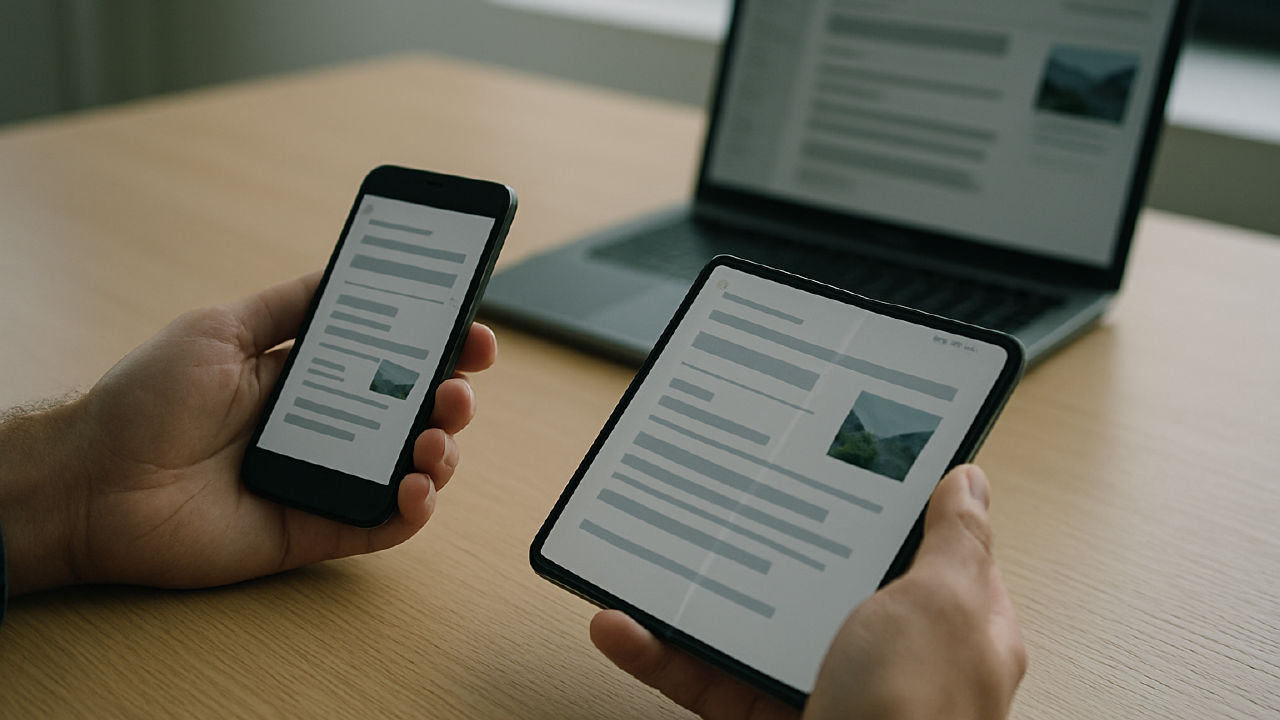
Validity’s September 2026 analysis describes foldable layouts and AI-assisted email retrieval—but its predictions for clicks and revenue remain predictions.
13 Oct 2026

Google adds Gmail reply controls to Workspace Studio
Workspace Studio’s October update adds reply filtering, nested logic, document search and more meeting data—small controls that could make email workflows less repetitive.
10 Oct 2026