Testimonial emails that sell: 4 moves worth copying
Omnisend’s latest roundup shows how named quotes, skeptic stories, and gift-ready reviews can do the selling for you—if you place and phrase them right.

By Mara Quinn· Email Vox · 21 Nov 2026
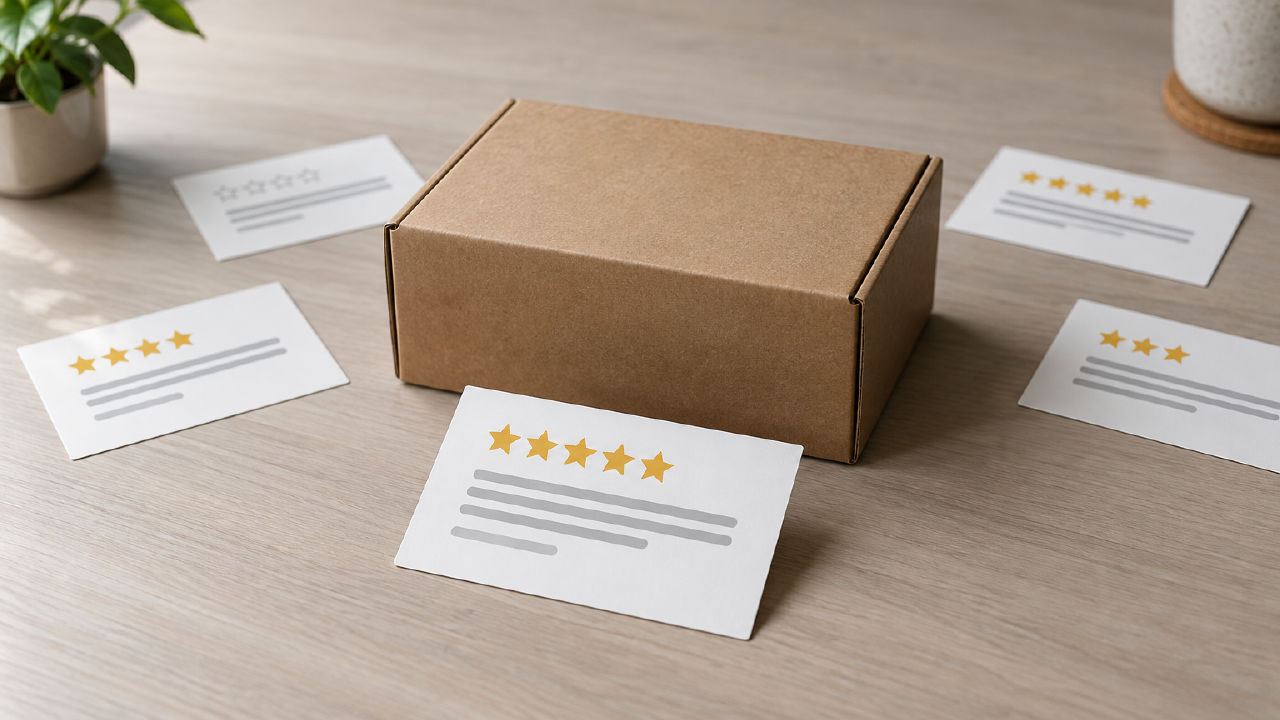
Key facts
- ■Omnisend analyzed 10 testimonial emails sent in late 2025–2026 across brands, focusing on quotes, ratings, and design.
- ■Soft Services used seven quotes with first names; six added ages (48–79), with two reviewers citing gifts to family.
- ■YCODE emailed in June 2026 before Father’s Day, led with “Built for skeptics,” and linked first to a 60+ explainer, then to a product.
- ■Purple centered one reviewer, “Tia,” stacked five stars, linked to a video story, then pitched a sale (queen mattresses from $999).
- ■Milk Bar’s holiday send used a quoted subject and five rotating five‑star reviews covering packaging, shipping speed, and taste, with the CTA beneath.
If your next send needs more clicks without more discounts, borrow your customers’ words. Omnisend’s new roundup of 10 testimonial emails shows how named quotes, skeptic stories, and gift‑friendly reviews can make the case faster than brand copy.
Across the examples, the winning move is simple: put a real quote in the hero, add one clear CTA under it, and let credibility do the work. The brands that nailed it didn’t bury proof below the fold—and they didn’t over‑explain.
What happened
Omnisend analyzed 10 testimonial emails sent by different brands between late 2025 and 2026, each featuring customer reviews, quotes, or ratings from recognized platforms, and broke down subject lines, layouts, and tactics (source). The goal, per Omnisend, is either to showcase existing reviews to your list or motivate past buyers to share theirs.
One standout: Soft Services promoted its Theraplush hand treatment as a giftable set by showcasing seven customer quotes, six signed with a first name and age, ranging from 48 to 79. That age signal doubled as targeting; two reviewers even said they bought for family—a husband and a sister—reinforcing a gifting use case. The visuals matched the message: older hands holding the product.
YCODE, a men’s skincare brand, emailed in June 2026 before Father’s Day and led with a bold “Built for skeptics.” It front‑loaded three customer quotes from former doubters, explained why the product works for skin over 60, and—crucially—linked first to education (“Read why it works after 60+”) before a second CTA (“Get Dad the Trio”). By answering hesitations first, the sale read like the logical next step.
Purple ran a promotional send during a mattress sale and put one customer at the center: “Tia.” The subject line quoted her—“‘My mattress is making me late.’ — Tia”—and the hero stacked “Real people. Real sleep.” with five stars and a link to “Listen to her story.” Only after the video hand‑off did Purple present the lineup and the deal, with queen mattresses from $999, keeping the offer anchored to a human result.
Milk Bar leaned into the holidays with a subject line that was itself a quote: “Best cookies I’ve ever had.” Inside, an animated block rotated five five‑star reviews addressing three classic gift concerns in one sweep—packaging, fast shipping, and taste—then placed “Get your snaps” directly below. That CTA placement made acting on the social proof near‑frictionless.
The background
Omnisend’s framing is blunt: the best testimonial emails highlight the strongest reviews and add customer names. Names (and, when relevant, ages) translate abstract claims into social proof readers recognize as peers. Including a named quote in the subject line also turns the inbox preview into a review snippet, which can lift open intent without resorting to hype.
The roundup distinguishes two purposes for testimonial emails: share existing customer reviews with current subscribers, or ask past buyers to submit reviews—and give them a reason. That second use case relies on credibility signals from recognized platforms (think star icons and brief source mentions), which all 10 examples included in some form.
Education‑first sequencing shows up as another pattern. YCODE’s “why it works after 60+” link coming before the product CTA is a reminder that for considered purchases—or skeptical audiences—content can be the bridge. If you’ve tested sneak‑peek emails that build demand, this is the same psychology applied to proof rather than features.
Holiday‑timed proof blocks also tie neatly into gift behavior. Milk Bar’s reviews covered packaging and delivery speed—two anxiety points we’ve seen pay off in gift guide emails that sort choices for shoppers. Answering those in a single rotating module at the top spares the reader a site click to confirm basics.
Subject lines that read like reviews punch above their weight when inboxes skim for relevance. Combining a short quote, a first name, and visible stars in the hero gives Gmail’s Promotions view more structured signals to highlight—an approach that pairs well with our guidance on helping the Promotions tab lift your deal details.
What people are saying
The emails themselves do the talking. YCODE planted its flag with “Built for skeptics,” then let three customer quotes address doubt before any hard sell. That ordering echoes Omnisend’s advice to quote customers who started out skeptical, because hesitant readers “see their own hesitation answered.”
Purple’s line—“Real people. Real sleep.”—sets a tone that the rest of the layout respects: one person, one story, one clean hand‑off to a video, then the sale (from $999 for a queen). Omnisend spotlights that sequencing to keep the offer feeling like a next step rather than a switch in topic.
Milk Bar’s subject—“Best cookies I’ve ever had.”—shows how a single vivid quote can stand out during peak holiday send volume. Omnisend notes that its rotating review block explicitly tackles packaging, shipping speed, and taste, and backs the presentation with five‑star visuals before the primary CTA.
Soft Services’ tactic of signing six of seven quotes with a first name and age (48–79) is the clearest example of demographic signaling through testimonials. Omnisend calls out that two reviewers mention gifting to a husband and a sister, letting the brand make a giftability claim without writing one.
What happens next
If you haven’t run a testimonial‑first send, Omnisend’s examples give you a blueprint to test in your next cycle: subject line as a quote, hero stacked with stars and a short named pull‑quote, one primary CTA directly underneath, and—for considered buys—a first CTA to “why it works,” then a second to shop.
For holiday or gifting campaigns, build a rotating quote block that hits packaging, delivery speed, and taste/fit in the copy. Place the CTA within the same module. If you’re planning December sends, pair this with our post‑BFCM December plan so testimonial content arrives before shipping cutoffs tighten.
Where reviews skew older or younger, test adding an age to the sign‑off. Soft Services’ 48–79 range pulled double duty: relevance signaling and proof that the product is gift‑worthy across family roles. If your product has clear sub‑audiences, segment and swap the lead quote accordingly.
Finally, if you rely on star ratings or platform badges, keep them above the fold and near the CTA. Omnisend’s selection criteria favored visible, recognizable proof. That placement makes it easier for scanners to connect the dots between trust and the next click, especially in Gmail’s Promotions bundles, where structured signals can boost visibility.
The Email Vox take
Here’s how to steal the highest‑leverage bits fast:
- Lead with the objection in their voice. Use a skeptical quote up top, then link to a quick explainer before your shop link.
- Put credibility on the wrapper. First name + age, five stars, or a source icon near the hero will do more than another paragraph.
- Make gifts brainless. Quote that nails shipping, packaging, and taste/fit. Put the Buy button directly under it.
3 example subject lines you can swipe:
- “Built for skeptics: what changed my mind in 7 days.”
- “Best [product] I’ve ever had.” — real customer
- “My [product] is making me late.” — Tia
Mini checklist before you hit send:
- Add at least one named quote; include age if relevant to targeting.
- If it’s for gifting, mention packaging and delivery speed in the quote block.
- Place your primary CTA immediately under the testimonials.
- If buyers hesitate, link to “why it works” content before the product grid.
Frequently asked questions
- what is a testimonial email?
- An email that showcases customer reviews, quotes, or ratings to build trust or asks past buyers to share reviews, per Omnisend’s roundup of 10 examples.
- do names and ages in reviews help sales emails?
- Omnisend shows Soft Services adding first names and ages (48–79) to seven quotes, signaling fit for older recipients and gifting use cases.
- how did ycode target older men in its campaign?
- YCODE emailed in June 2026 before Father’s Day, led with “Built for skeptics,” used three customer quotes, and first linked to a “why it works after 60+” guide.
- can one customer story carry a promo?
- Yes. Purple centered a single quote from “Tia,” added five stars, linked to a video story, then presented a sale (queen mattresses from $999).
- what works for gift-focused testimonial emails?
- Milk Bar used a customer quote as the subject, showed five rotating five‑star reviews addressing packaging, fast shipping, and taste, and placed the CTA under the quotes.
- should testimonial emails link to a product or content first?
- Omnisend’s YCODE example links first to an educational guide, then to a product, using reviews to answer doubts before a purchase pitch.
- do I need verified platform ratings to run testimonials?
- Omnisend picked examples with reviews, quotes, or ratings from recognized platforms; credibility cues like stars and named reviewers help trust.
- when were these testimonial emails sent?
- Omnisend’s 10 examples were sent by different brands between late 2025 and 2026; one example, YCODE, was sent in June 2026 before Father’s Day.
Why this matters
Testimonial emails are cheap trust. Done right, they answer hesitations in the subscriber’s voice, cut decision time, and push clicks without squeezing harder on discounts. Omnisend’s examples show that small choices—who you quote, where you place the CTA, and whether a guide link comes first—can lift conversions fast, especially for gifting and older‑audience products. For marketers staring at flat click rates, swapping a paragraph of claims for one credible quote is a low‑risk, inbox‑safe way to move revenue now.
Sources
Reporting draws on the public sources listed above. Spotted an error? Request a correction.
Follow-up coverage
Related coverage
Holiday email: target last year’s gift buyers now
A Nov 16 playbook flags last year’s gift buyers as your missed money. Label gifts by recipient, show prices and cutoffs, and email them twice—no discount needed.
18 Nov 2026
Gift guides that sell: how to sort, name and time them
Omnisend’s 12-brand roundup shows what actually gets clicks: sort by person, signal “gift guide” in the subject, add a budget exit—and go digital when shipping slips.
17 Nov 2026

Sneak peek emails that actually build demand
Omnisend’s 2026 examples show how a single hero image, one clear CTA, and holding back key details can turn previews into high‑intent lead machines.
19 Nov 2026
Pre-sale emails that actually pull revenue forward
Omnisend’s latest examples show what actually moves earlier orders: auto-applied codes, SMS-only links, VIP vs retail pricing, and deadlines you can copy today.
21 Nov 2026

Make your order confirmations do real work
Klaviyo’s latest guidance says confirmations are more than receipts—and they earn clicks. Here’s what to include, when to send, and where the legal lines sit.
6 Nov 2026
The post‑BFCM plan: five December emails that sell
Don’t let your list go quiet after Cyber Monday. Here’s the week‑by‑week December plan—with USPS cutoffs, Hanukkah timing, and a coupon‑leak fix you can enable now.
20 Nov 2026