Automation is 2% of sends—yet 30% of revenue
Automations are a tiny slice of sends but a giant slice of revenue. Here’s what to build, the stats that back it up, and the exact switches to flip.

By Theo Marsh· Email Vox · 14 Nov 2026
Key facts
- ■Omnisend: automations were 2% of sends but 30% of revenue, earning 16x more per send than campaigns.
- ■Five core workflows to build: welcome, cart/checkout abandonment, browse abandonment, post‑purchase, and winback.
- ■Abandoned cart emails see a 37.12% open rate; back‑in‑stock converts at 6.46%, highest among automation types.
- ■Shipping confirmations open at 62.99%; feedback requests open at 50.70%, strong post‑purchase anchors.
- ■RPR (revenue per recipient) is Omnisend’s go‑to metric to judge workflow performance fairly.
- ■Use exits, Skip Contacts, and suppression rules to prevent overlapping flows and stop on purchase.
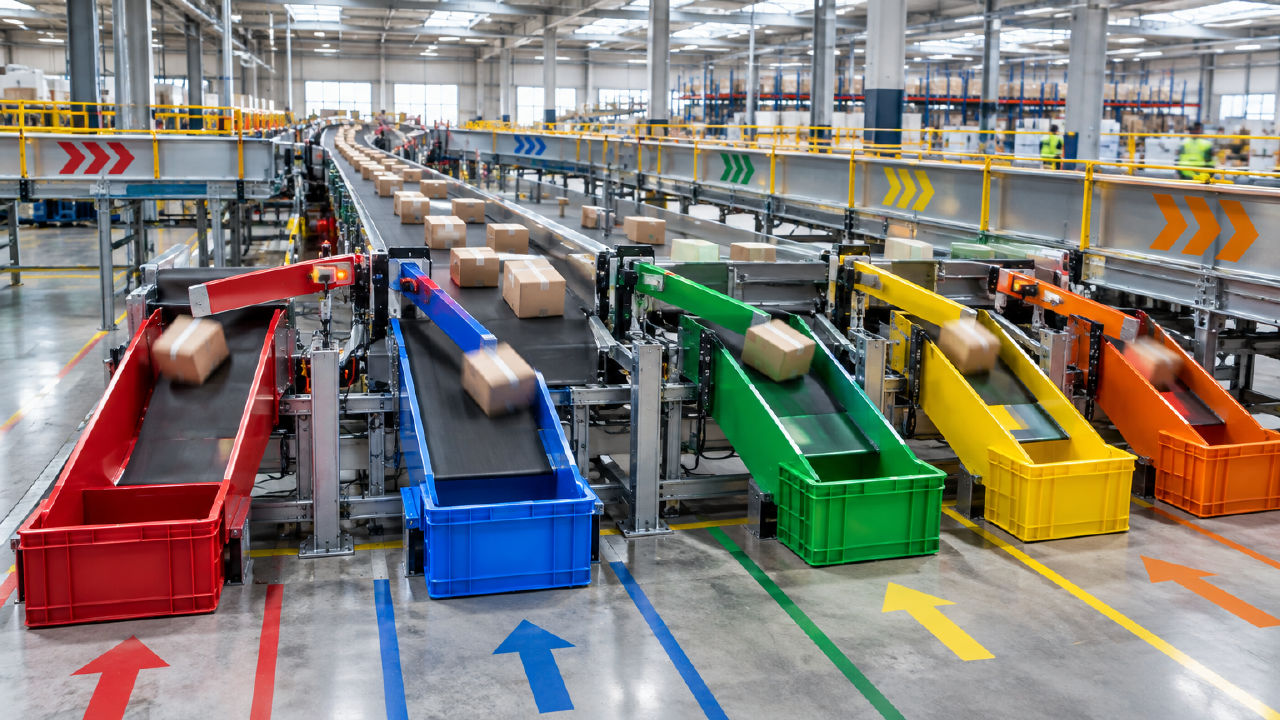
If you need more revenue without sending more email, automation just handed you the brief. Omnisend says automated emails were only 2% of sends but drove 30% of revenue, earning 16x more per send than scheduled campaigns, in its Ecommerce Marketing Report (source).
That math makes your next sprint obvious: ship the five core flows, wire exits and suppressions so nothing overlaps, and grade them by revenue per recipient (RPR)—not opens.
What happened
Omnisend published a practical rundown of email automation best practices, backing it with platform‑wide benchmarks including automations’ 2% share of volume versus 30% of revenue and a 16x per‑send lift over bulk campaigns (source).
The guide names five core ecommerce workflows to build first—welcome, abandoned cart and checkout, browse abandonment, post‑purchase, and winback—and stresses clear goals and exits for each so subscribers don’t get stuck in the wrong sequence (source).
It also lays out performance anchors: abandoned cart emails see a 37.12% open rate; back‑in‑stock automations convert at 6.46%, the highest among automations; and feedback request emails open at 50.70%, second only to shipping confirmations at 62.99% (source).
Omnisend recommends measuring every flow by revenue per recipient (RPR), defined as revenue attributed to the workflow divided by unique recipients, so marketers can compare different sequences on a per‑person basis without volume bias (source).
The piece underscores behavior‑driven personalization—show the exact product left in a cart, insert relevant recommendations after a purchase, and time replenishment to realistic usage—paired with suppression logic that halts a flow the moment a customer buys (source).
The background
Omnisend frames segmentation around behavioral and lifecycle signals, not demographics, arguing a customer who purchases twice in 30 days is a stronger retention target than someone grouped by age or location alone (source).
Its platform capabilities mirror that approach: marketers can build segments with filters for profile data, engagement history, or shopping behavior; use pre‑built presets; and combine multiple filters with AND/OR logic, with saved segments auto‑updating as people enter or exit criteria (source).
For welcome series, the guidance is three emails triggered by sign‑up: first deliver the promised incentive, then highlight product benefits, then address purchase concerns, with an exit once the first order happens and layouts that prioritize mobile and clear CTAs (source).
Abandoned flows are split by intent stage: cart abandonment (items added, no transaction) and checkout abandonment (checkout started, not completed). Omnisend says to enable both, start with product reminders, and bring urgency, social proof, or discounts only if earlier nudges fail (source).
Browse abandonment sits earlier still—triggered by product views without an add‑to‑cart—so Omnisend suggests tighter personalization on recently viewed items and the option for more aggressive offers because intent is weaker at this stage (source).
Post‑purchase is intentionally mixed: transactional updates, education, review requests, cross‑sells, and replenishment reminders. Omnisend’s benchmarks highlight why: shipping confirmations open 62.99%; feedback requests open 50.70%; and even low‑converting birthday messages (0.59%) can carry a high average order value of $744 (source).
Omnisend details specific platform steps to stand up flows quickly: choose Automation → Create workflow, pick pre‑built Cart Abandonment with Email + SMS, then adjust entry (item added), exits (order placed or checkout started), messages, delays, and conditions before enabling (source).
To prevent channel clash, it recommends using Exit Conditions and Skip Contacts so one shopper doesn’t receive simultaneous browse, cart, and checkout automations as their intent changes, and to stop all flows on purchase so post‑purchase takes over cleanly (source).
What people are saying
Omnisend’s position is blunt: “Personalization works best when tied directly to behavioral signals,” which is why it pushes exact product blocks, monitored reply‑to addresses, and sender names that feel like a real person, not a no‑reply inbox (source).
The company also discourages reflex discounts in abandonment, advising brands to “start by showing the exact products that were left behind” and reserve incentives as a later lever to protect margin across workflows (source).
On measurement, Omnisend elevates RPR so marketers can compare flows fairly and identify which sequence actually moves dollars per subscriber, a view that lines up with our earlier guidance to rate flows by margin, not revenue alone and to treat open rates as noisy proxies rather than the KPI.
For transactional moments, Omnisend’s open rates for shipping and feedback echo our walkthrough on making order confirmations do real work, where we covered what to include and where legal lines sit for value‑add content.
What happens next
If you’re light on automation, the fastest lift is sequencing the five core flows with exits that swap people to post‑purchase the second they buy, then adding SMS only where it complements, not duplicates, email timing (source).
Next, wire audience segments that auto‑update—VIPs by recent purchase cadence, repeat buyers by SKU families, and windows for replenishment based on realistic usage—so every send is triggered by current behavior, not a dated list pull (source).
Finally, track RPR for each workflow and iterate message order, delays, and exits. Use cart email opens at 37.12% as a baseline for engagement, back‑in‑stock’s 6.46% conversion as a retargeting benchmark, and review requests’ 50.70% open as your prompt for social proof timing (source).
Want more on the strategy side? Browse our marketing hub, or start with our reminder that rising unsubscribes can be healthy list hygiene—not doom—when your automations get sharper targeting and faster exits (Unsubscribes are up. That’s list health, not doom.).
The Email Vox take
Email Vox take
- Build the five flows first. Then layer segments and exits. Don’t sprawl.
- Grade flows by revenue per recipient and margin, not opens alone. If you’re in Shopify/Klaviyo, pair this with our advice on loading margins into your ESP.
Quick checklist to ship in a week:
- Welcome: 3 emails in 7 days; exit on first purchase.
- Abandonment: cart + checkout; product block first, incentive last; SMS nudge after email 1.
- Browse: category/product viewed in subject; cap frequency with Skip Contacts.
- Post‑purchase: shipping updates, review ask at delivery+7, cross‑sell at +14, replenishment by real usage.
- Suppression: one abandonment flow at a time; exit on purchase across all flows.
Three subject lines to test:
- “Still eyeing [Product]? It’s two clicks away”
- “Back in stock: [Exact item you viewed]”
- “How did we do? 30‑sec review = better picks next time”
Frequently asked questions
- what are the five core ecommerce email automations?
- Welcome series, abandoned cart and checkout, browse abandonment, post‑purchase, and winback, per Omnisend’s guide.
- how much revenue do automations drive compared to their send volume?
- Omnisend reports automations were 2% of sends but drove 30% of revenue, earning 16x more per send than scheduled campaigns.
- what open rate do abandoned cart emails get?
- Omnisend cites a 37.12% open rate for abandoned cart emails.
- which automation has the highest conversion rate?
- Back‑in‑stock emails convert at 6.46%, the highest among automation types cited by Omnisend.
- what metric should I use to judge a workflow?
- Revenue per recipient (RPR): revenue attributed to the workflow divided by the number of unique recipients.
- should every abandoned cart email include a discount?
- No. Omnisend advises starting with product reminders and benefits; add urgency, social proof, or incentives only in later messages if needed.
- what post‑purchase emails get opened most?
- Shipping confirmations open at 62.99%, and feedback request emails open at 50.70%, according to Omnisend.
- do birthday emails perform well?
- They convert at 0.59% but drive a high average order value of $744, per Omnisend.
Why this matters
Automation isn’t just efficiency—it’s the clearest path to higher revenue per subscriber without blasting more mail. Behavior‑triggered messages land when intent is high, and Omnisend’s data shows they dramatically outperform bulk sends. For marketers under tougher Gmail/Yahoo rules and rising complaint limits, well‑timed, segmented workflows concentrate value without raising volume. That shifts your list from campaigns that hope for attention to flows that earn it, protects deliverability with fewer generic sends, and sets you up to measure actual business impact—revenue per recipient and margin—over vanity opens.
Sources
Reporting draws on the public sources listed above. Spotted an error? Request a correction.
Follow-up coverage
Related coverage
Holiday email: target last year’s gift buyers now
A Nov 16 playbook flags last year’s gift buyers as your missed money. Label gifts by recipient, show prices and cutoffs, and email them twice—no discount needed.
18 Nov 2026
Gift guides that sell: how to sort, name and time them
Omnisend’s 12-brand roundup shows what actually gets clicks: sort by person, signal “gift guide” in the subject, add a budget exit—and go digital when shipping slips.
17 Nov 2026

Sneak peek emails that actually build demand
Omnisend’s 2026 examples show how a single hero image, one clear CTA, and holding back key details can turn previews into high‑intent lead machines.
19 Nov 2026
Make your order confirmations do real work
Klaviyo’s latest guidance says confirmations are more than receipts—and they earn clicks. Here’s what to include, when to send, and where the legal lines sit.
6 Nov 2026
The post‑BFCM plan: five December emails that sell
Don’t let your list go quiet after Cyber Monday. Here’s the week‑by‑week December plan—with USPS cutoffs, Hanukkah timing, and a coupon‑leak fix you can enable now.
20 Nov 2026
Your email layout is likely failing accessibility
A MailGenius summary says almost every email they looked at had serious accessibility issues. That’s a conversions problem—so layout testing can’t be optional.
25 Nov 2026