DKIM2’s quantum-ready keys will test your DNS
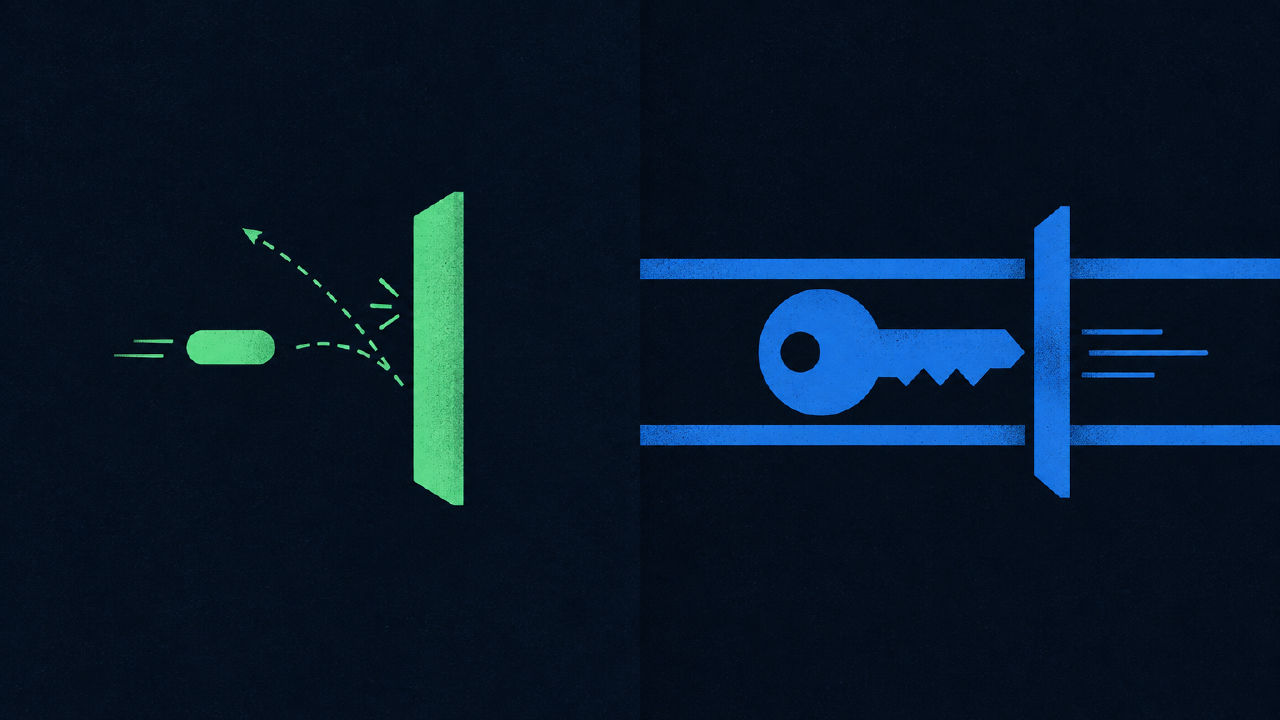
Post‑quantum DKIM2 keys are too big for standard DNS UDP. If your DNS can’t fall back to TCP cleanly, future signatures may fail where it counts: inbox trust.

By Felix Hart· Email Vox · 16 Nov 2026
Key facts
- ■DKIM2’s draft requires supporting ML‑DSA44 alongside RSA and ed25519, Word to the Wise reports.
- ■An ML‑DSA44 DKIM2 public key example measured 1,861 bytes—too large for a 1,220‑byte DNS UDP reply.
- ■Oversized DNS answers set the “TC” bit and require a TCP retry; TCP/53 must be enabled end‑to‑end.
- ■DNS servers have supported TCP for over a decade, but many firewalls still block it due to old guides.
- ■A live test key at mldsa._domainkey.dkim2test.turscar.ie returned 1,861 bytes and succeeded via TCP retry.
- ■Current recommendations call for migration to quantum‑resistant crypto by 2030 at the latest, per the source.
If your revenue depends on hitting the inbox, here’s an early warning about a very practical change: DKIM2—an update to DKIM email signing—adds a post‑quantum signature that’s too big for a typical DNS UDP reply. If your DNS can’t cleanly fall back to TCP, future signatures may fail where you least want them to: right before a big promo lands.
What happened
Word to the Wise flagged a concrete issue with DKIM2’s draft requirement to support ML‑DSA44, a modern lattice‑based signature algorithm designed to resist quantum attacks, alongside RSA and ed25519 (source). In live testing, an ML‑DSA44 public key weighed in at 1,861 bytes, which exceeds the commonly enforced DNS UDP response size of 1,220 bytes after the 2020 DNS flag day, triggering truncation and a required TCP retry.
The post explains that DNS resolvers handle oversized answers by marking the UDP reply as truncated (the “TC” bit) and retrying over TCP. That works—if your authoritative DNS and every intervening firewall and filter allow TCP on port 53. Many configurations, especially ones based on old tutorials, only permit UDP for DNS and quietly drop TCP queries, which you might never notice because most answers still fit in one UDP packet.
To prove the size problem is real, the source queried an ML‑DSA44 DKIM2 test key at mldsa._domainkey.dkim2test.turscar.ie and received a 1,861‑byte TXT response that explicitly retried in TCP and succeeded. That’s exactly what DKIM2 key fetches will do when ML‑DSA44 records ship at scale.
The background
Quantum computing is moving from lab gear to chips: IBM’s Nighthawk R3 quantum CPU, shown as a 300mm silicon wafer, is slated to be available next year and targets systems with more than 1,000 qubits, per the source’s overview. That progression is why current recommendations urge migration from today’s cryptography (like RSA or ed25519) to quantum‑resistant algorithms by 2030 at the latest.
DKIM (DomainKeys Identified Mail) lets receivers verify that an email was signed by the sending domain by fetching a public key from DNS and checking the signature. DKIM2 is the in‑progress update that keeps RSA and ed25519 while adding ML‑DSA44 for post‑quantum resilience, according to the draft described in the post. For developers, the change is conceptually simple—call a “sign_with_mldsa44()” instead of “sign_with_rsa()”—but the operational footprint changes because ML‑DSA44 keys and signatures are larger.
DNS behavior is central here. Since the 2020 DNS flag day guidance, operators generally cap UDP responses at 1,220 bytes. The moment an answer won’t fit, servers set the TC (truncated) bit and resolvers are expected to retry over TCP. The DNS protocol has required TCP support for over a decade, the post notes, but because most real‑world answers are small, broken TCP paths can hide in plain sight for years.
That’s a problem for any email auth record that grows: we’ve covered how DNS health underpins everything from SPF and DMARC to BIMI in our explainer on testing SPF, DKIM, DMARC and MX and the plain‑English guide to BIMI as a DNS pointer to your logo. ML‑DSA44 is just the newest reason to fix DNS plumbing you’ve been “meaning to get to.”
What people are saying
Word to the Wise emphasizes that from a development and operations perspective, adding ML‑DSA44 isn’t hard in code or tooling; the standout change is the bigger key and signature size. The example ML‑DSA44 public key stuffed into a DKIM2 TXT record sprawled across multiple quoted strings in DNS, and the resolver’s successful retry over TCP demonstrated that large‑answer handling works when configured correctly.
The author cautions that while authoritative DNS software usually supports TCP, surrounding packet filters and firewalls must also allow TCP queries. Many guides say “allow UDP on port 53 for DNS” and stop there, leaving TCP blocked. That will bite senders the first time a receiver tries to fetch a quantum‑sized key and can’t, even though normal lookups seem fine day‑to‑day.
Practical tests are provided: use dig to find your authoritative nameservers, then explicitly query them over TCP for a known record like the SOA and confirm a response. The source also advises testing from outside your corporate network and checking both IPv4 and IPv6 paths because firewall rulesets often differ between them. For resolvers, ask for a known large TXT record and watch it truncate then retry in TCP successfully.
For marketers who don’t run DNS, this translates to a concrete ask for your provider: prove that your zone’s nameservers answer over TCP on port 53 and that large TXT responses are returned correctly for both IPv4 and IPv6. It’s the same spirit as our quick DKIM smoke test to catch body‑hash mangling: a small check that prevents mysterious alignment or verification failures later.
What happens next
As DKIM2 firms up and ML‑DSA44 support becomes standard, more domains will publish bigger keys. That will force a cleanup of DNS edge cases where TCP was never opened or was broken by a middlebox, because receivers fetching ML‑DSA44 keys will depend on TCP fallback. If that fallback fails, verification can fail—even if the sender’s signing is correct—risking alignment breaks that ripple into DMARC policy outcomes.
This shift also intersects with stricter inbox requirements. We’ve reported on mailbox providers tightening authentication expectations, including Outlook.com bouncing some mail without DMARC and our broader DMARC‑first checklist for safer sends. DKIM2 won’t change your subject lines, but it can change whether those lines ever get read if DNS can’t deliver the key fetch.
Actionably, teams should schedule a DNS TCP health check in the same sprint as other auth work. Ask your DNS operator to validate TCP on every authoritative nameserver and to demonstrate successful retrieval of an oversized TXT record. Confirm firewalls allow TCP/53 on both IPv4 and IPv6. Then add a test to your runbook: when publishing any large TXT (DKIM2 keys, future records), verify resolution from a network you don’t control, so you catch blocking beyond your perimeter.
For now, nothing in the source suggests abandoning RSA or ed25519; DKIM2’s draft requires supporting ML‑DSA44 in addition to existing algorithms. That gives senders a path to add post‑quantum signatures without ripping out what already works—provided DNS can carry the weight of larger answers when receivers come knocking.
You don’t have to become a DNS wizard to protect revenue here. You just need providers who can show their work, plus a couple of one‑time tests that prove your keys won’t get stuck at the packet size gate. And once that’s done, DKIM2 becomes what it should be: a quiet upgrade that keeps messages trusted as the cryptography world moves forward.
Find more on authentication in our authentication category hub.
The Email Vox take
Email Vox take
Here’s the short playbook to avoid future “why did auth fail?” mysteries when DKIM2 rolls out:
- Ask your DNS host to verify authoritative DNS over TCP works on all nameservers (IPv4 and IPv6). Don’t assume; confirm from an external vantage point.
- Open port 53 for TCP on any firewall in front of your DNS. Many old guides allow only UDP. Fix both v4 and v6 rules.
- Spot‑check your resolvers by querying a large TXT record and confirming automatic TCP retry succeeds.
- Plan for fatter DNS records in tooling (monitoring, change review) so no one truncates ML‑DSA44 keys or splits them incorrectly.
Two copy angles for your next “trust” campaign when DKIM2 gets real:
- Subject: “We upgraded email security for the quantum age.”
- Body line: “Your order emails now ship with next‑gen signatures that protect against tomorrow’s attacks.”
Frequently asked questions
- what is dkim2 and how is it different from dkim?
- DKIM2 is the next version of DKIM that adds post‑quantum signature support (ML‑DSA44) alongside RSA and ed25519, per the current draft spec.
- why do bigger dkim2 keys matter?
- ML‑DSA44 public keys are about 1,861 bytes in the example shown—too big for a standard DNS UDP reply—so DNS must fall back to TCP to fetch them.
- does dns have to support tcp for dkim2 to work?
- Yes. When large DNS answers are truncated over UDP, resolvers retry over TCP. Authoritative DNS and intervening firewalls must allow TCP on port 53.
- what changed in dns packet size after 2020?
- After the 2020 DNS flag day, operators were advised to limit UDP responses to 1,220 bytes. Bigger answers trigger a TCP retry.
- do i need to migrate to post‑quantum now?
- Current guidance cited says migrate to quantum‑resistant algorithms by 2030 at the latest. DKIM2’s draft includes ML‑DSA44 to support that shift.
- how can i check if my dns handles large answers?
- Query a known large TXT record and confirm it retries over TCP successfully. The source used an ML‑DSA44 test key that returned 1,861 bytes.
- how do i test if my nameservers answer over tcp?
- Use dig with +tcp against your domain’s authoritative nameservers to fetch a record (e.g., SOA) and confirm a response is returned over TCP.
- will dkim2 break my current email setup?
- Signers will add ML‑DSA44 alongside existing RSA/ed25519. The operational caveat is ensuring DNS over TCP works, including firewalls and filters.
Why this matters
Quantum‑resistant email auth is coming, and it’s shipping bigger keys. That bumps a dusty dependency—DNS over TCP—from “nice to have” to “required.” If your DNS or firewall silently drops TCP on port 53, tomorrow’s DKIM2 signatures can break fetches, risk alignment, and dent delivery just as inbox providers raise the bar. Marketers don’t need to run dig, but they do need outcomes: a DNS host that proves TCP works, resolvers that handle large answers, and a roadmap to add ML‑DSA44 without surprises. That prep protects campaigns and credibility.
Sources
Reporting draws on the public sources listed above. Spotted an error? Request a correction.
Follow-up coverage
Related coverage
DMARC’s two classic mistakes (and the easy fixes)
Two missteps sink DMARC fast: pointing the TXT at the wrong place and slamming p=reject on day one. Here’s the revenue‑safe path that inboxes trust.
19 Nov 2026

Keep holiday revenue out of the spam folder
Gmail’s 0.1% line, Outlook.com’s DMARC bounces, and DKIM2’s DNS shift: here’s the fix‑first plan to keep revenue flowing as gift emails go out.
17 Nov 2026

Your inbox‑safe plan for a noisier week of phish
A week of breaches and takedowns means more phishing noise—just as Gmail gets pickier. Here’s a precise, testable plan to harden without tanking placement.
2 Nov 2026

Stripe makes DMARC table stakes for custom sender domains
Stripe makes DMARC non‑optional for custom sender domains—and will fall back to stripe.com if your DNS slips. Here’s what that changes for billing mail.
20 Oct 2026

Gmail’s reputation colors are gone. Your plan can’t be.
Mailgun’s panel says the traffic-light is gone, not the data. Here’s how to baseline, monitor, and act when holiday volume hits.
17 Oct 2026

DKIM’s simplest check: hash an empty body and compare
A simple, reproducible test proves your DKIM signer isn’t mangling whitespace.
28 Oct 2026