Sponsored content
Keep holiday revenue out of the spam folder
Gmail’s 0.1% line, Outlook.com’s DMARC bounces, and DKIM2’s DNS shift: here’s the fix‑first plan to keep revenue flowing as gift emails go out.
By Deliverability Desk · Email Vox · 17 Nov 2026

Key facts
- ■Outlook.com started bouncing some mail without DMARC on Nov. 5; publishing DMARC is the fix, per Email Vox reporting.
- ■Gmail says stay under 0.1% spam complaints and never brush 0.3%; Yahoo caps spam at 0.3%, per Email Vox.
- ■DKIM2’s larger, post‑quantum keys require DNS TCP fallback; UDP alone can truncate, per Email Vox analysis.
- ■Spamhaus saw 57.1m new domains (+21.8%) and 3.37m risky listings (+56.6%); September was a record month, per Email Vox.
- ■Mailgun will require TLS 1.2+ for SMTP from March 1, 2027, rejecting TLS 1.0/1.1, per Email Vox coverage.
- ■Omnisend’s roundup (via Email Vox) says subject lines that signal “gift guide,” segments by person, and budget exits earn clicks.
Your next gift email either prints money—or trips a filter. Gmail’s complaint line sits at 0.1% with 0.3% as a hard ceiling, and Yahoo caps spam at 0.3% (per Email Vox’s coverage of provider thresholds). That’s the difference between a clean run and throttled reach on your biggest week.
What just changed—and why it hits revenue now
Email Vox reported Outlook.com started bouncing some mail from domains without DMARC on Nov. 5, and the fix is still the same: publish DMARC and align it with real sending domains (Outlook.com is bouncing some mail without DMARC on Nov. 5). That policy shift means any Microsoft‑heavy segment missing DMARC can silently shed conversions today.
MailGenius also argued that a clean blocklist check and the mere presence of DMARC don’t predict inboxing (Blocklist clean + DMARC ≠ inbox). For revenue planning, that means don’t green‑light a big send just because a dashboard looks tidy—validate the actual receiver verdicts first.
Spamhaus flagged 57.1 million new domains (+21.8%) and 3.37 million risky listings (+56.6%), calling September a record month (Spamhaus flags record risky domains). More risky domains in the ecosystem raise collateral suspicion: your links and subdomains need extra care when filters are jumpy.
Fix your DNS plumbing before you pitch
Email Vox’s SPF guide says don’t guess at DNS: read the receiver’s verdict and fix the one error causing a PermError before you blast (SPF permerror: fix the error, not your whole DNS). On big revenue days, a single include chain over 10, or a stray mechanism, can turn success into silent spam.
Forward‑confirmed reverse DNS (FCrDNS) trips up plenty of “why did Gmail spam this?” threads, per MailGenius coverage: your IP’s PTR should map to a hostname that resolves back to the same IP (FCrDNS: the overlooked check sinking good email). If that loop breaks, trust drops—regardless of your offer.
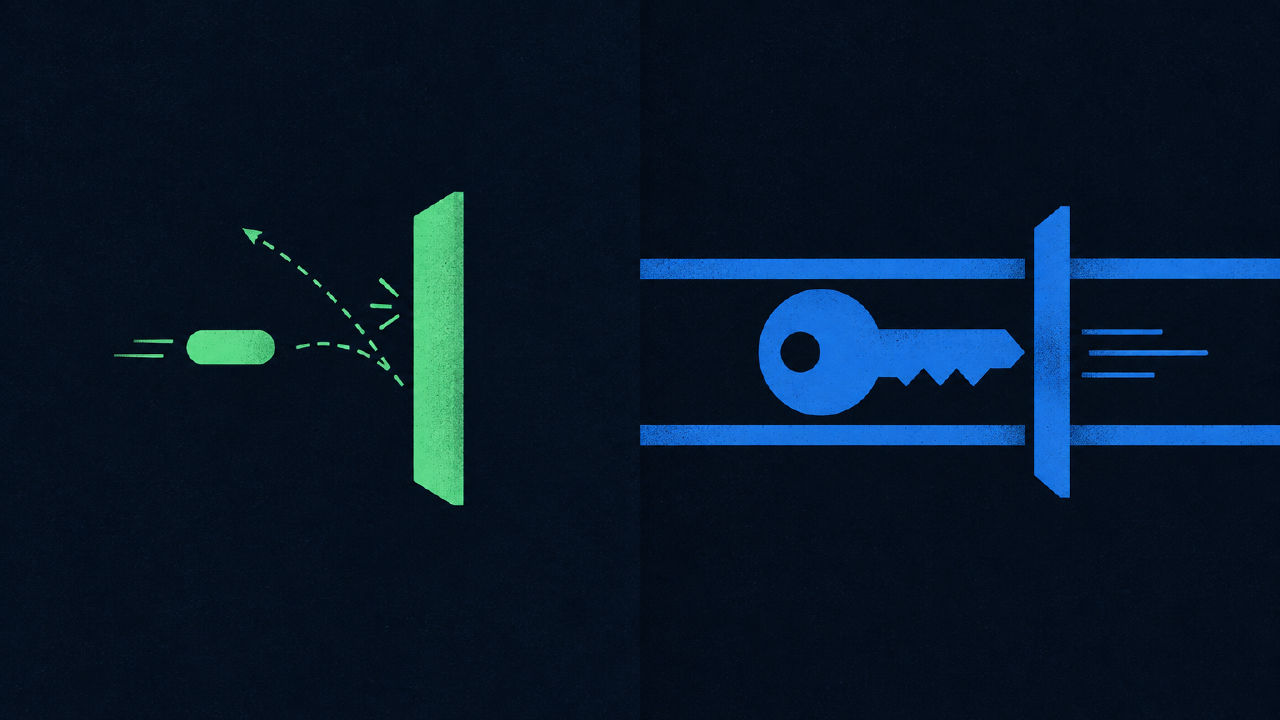
DKIM2 will bring post‑quantum‑sized keys that don’t fit in standard DNS UDP; your DNS needs a clean TCP fallback or future verifications can fail (DKIM2’s quantum‑ready keys will test your DNS). That’s a forward‑compatibility task to test now, not mid‑campaign.
Guardrails: complaints, unsub, and Promotions tab wins
Gmail’s published guidance pins good standing below 0.1% spam complaints and warns not to brush 0.3%; Yahoo’s line lands at 0.3% (summarized in Email Vox’s complaint‑rate explainer: Your spam complaint rate is smaller than you think). Build guardrails that stop you crossing them before you launch a sitewide.
Email Vox showed that Gmail’s Promotions tab can raise, not tank, sales if you shape the envelope and surface structured deal details Google can highlight (The Promotions tab isn’t a dead end). For revenue, that means pre‑formatting your promo with clear discounts, dates, and product signals.
One‑click unsub and fast suppression aren’t optional when thresholds are this tight. Email Vox’s “suppression tag” check explains how to confirm the flag actually works before you send (Your suppression tag might not be working). Every blocked complaint is room for another engaged customer in the next blast.
Make gift guides do the heavy lifting
Omnisend’s 12‑brand roundup (covered by Email Vox) found what actually gets clicks in gift guide sends: sort by person, signal “gift guide” in the subject, include a budget exit, and go digital when shipping slips (Gift guides that sell: how to sort, name and time them). Those are practical changes you can deploy in hours, not weeks.
Email Vox suggestions you can ship:
- Subject starters: “Gift Guide:” + recipient (“for runners,” “for plant parents”), plus a budget tag (“Under $25”).
- First buttons: “Gifts under $25,” “Digital gifts that deliver today,” “For last‑minute shoppers.”
- Segments: recent buyers see accessory picks; lapsed subscribers see bestsellers with ratings.
Authentication that actually protects your next send
Email Vox’s DMARC‑first playbook ties together Gmail’s 0.1% complaint line, Outlook’s DMARC expectations, BIMI’s logo rules, and Mailgun’s 2027 TLS shift—your near‑term hardening plan lives there (The DMARC‑first play to protect your next send). For campaign safety, start at policy discovery (p=none), collect reports, align From domains, then move to enforcement.
Separately, Mailgun set a deadline: from March 1, 2027, it will reject SMTP sessions that negotiate TLS 1.0/1.1 (Mailgun sets a TLS 1.2 deadline for SMTP: March 1, 2027). If transactional mail runs through older stacks, this is a concrete date to update before “order confirmed” goes missing.
Finally, remember the caution from MailGenius via Email Vox: even with a clean blocklist check and a DMARC record, inboxing isn’t guaranteed (Blocklist clean + DMARC ≠ inbox). That’s your signal to test real placement and engagement, not just the presence of records.
Test sequence you can run before Friday
Here’s a quick, verifiable run you can complete this week, linking back to step‑by‑step explainers in the Email Vox hub (/category/news):
- DNS tests: SPF, DKIM, DMARC, MX across active From domains; screenshot receiver verdicts (Stop guessing. Test SPF, DKIM, DMARC and MX).
- FCrDNS loop: confirm PTR->A and A->PTR symmetry on the sending IP (FCrDNS: the overlooked check sinking good email).
- Outlook.com readiness: publish DMARC (p=none), ensure alignment on active domains (Outlook.com is bouncing some mail without DMARC).
- Link hygiene: avoid newly risky or redirect‑heavy domains, given Spamhaus’s surge (Spamhaus flags record risky domains).
- Envelope optimization: Promotions‑friendly annotations and clear discount text (The Promotions tab isn’t a dead end).
- Complaint guardrails: cap unengaged volume; live‑monitor rates vs. 0.1%/0.3% lines (Your spam complaint rate is smaller than you think).
- Gift guide segmentation: by recipient and budget, with a digital backup when shipping windows slip (Gift guides that sell).
From our sponsor
Email Vox take
Here’s a practical, revenue‑first checklist you can ship this week:
- Verify DMARC now: p=none, add rua, and align your envelope From. Outlook.com bounces without DMARC are live.
- Fix DNS plumbing: FCrDNS loops, SPF include count, and DKIM alignment on your active Froms. Test and screenshot results.
- Guard complaints: cap volume to engaged cohorts; throttle anything approaching 0.1% at Gmail or 0.3% at Yahoo.
- Gift guide envelope: subject lines that say “Gift Guide,” segment by recipient, and add a “budget under $X” exit.
3 example envelopes:
- “Gift Guide: Under $50 for the coffee nerd ☕”
- “Last‑minute gift guide — digital picks that deliver today”
- “Not sure what to get? Try these 3 under‑$25 wins”
From our sponsor
A deliverability consultancy can help you debug DNS misalignment, authenticate senders, and right‑size volume when complaints creep up. If you want hands‑on help with FCrDNS loops, SPF permerrors, DMARC policy rollout, or a pre‑holiday volume plan, our sponsor offers reviews, fix plans, and implementation support tailored for marketers. Learn more: https://getemailsdelivered.com
Frequently asked questions
- do gmail and yahoo have spam complaint limits?
- Yes. Gmail says stay under 0.1% and never brush 0.3%. Yahoo says 0.3% tops. Source: Email Vox coverage of complaint thresholds.
- is dmarc now required for outlook.com?
- Email Vox reported Outlook.com started bouncing some mail without DMARC on Nov. 5. The fix is to publish DMARC. Date per source headline/dek.
- what is fcrdns and why does it matter?
- Forward-confirmed reverse DNS checks that your IP’s PTR maps to a hostname that resolves back to the same IP. Fails can sink delivery. Source: Email Vox.
- will dkim2 break my dns?
- DKIM2’s larger, post‑quantum keys won’t fit normal DNS UDP. Your DNS needs a clean TCP fallback or signatures may fail. Source: Email Vox.
- do blocklist checks and dmarc guarantee inboxing?
- No. A clean blocklist check and a DMARC record don’t predict inboxing, said MailGenius in Email Vox coverage. Focus on broader signals and engagement.
- are promotions tab placements bad for sales?
- No. Gmail’s Promotions tab can lift sales if you nail the envelope and provide deal details Google can highlight. Source: Email Vox.
- what subject lines help gift emails convert?
- Email Vox cites Omnisend’s roundup: signal “gift guide,” sort by person, and include a budget exit. These cues earned clicks for 12 brands.
- when is tls 1.2 mandatory for smtp at mailgun?
- Mailgun will reject SMTP that negotiates TLS 1.0/1.1 from March 1, 2027. Source: Email Vox.
Why this matters
Every big sales moment concentrates risk: more email, noisier phishing, and stricter filters. The senders who win don’t shout louder—they avoid avoidable errors, keep complaints below published lines, and make their best offers easy to trust in the inbox. This guide turns late‑breaking platform signals into a checklist marketers can actually ship this week, so your biggest days aren’t throttled by a tiny DNS typo or a surprise DMARC bounce.
Reporting draws on the public sources listed above. Spotted an error? Request a correction.
Follow-up coverage
Related coverage

Gmail’s 0.1% line: protect your next send (and sales)
Gmail’s 0.1% line, Outlook.com’s DMARC hiccup, and noisy opens change what you ship next. Here’s a deliverability plan that protects sales without guesswork.
22 Nov 2026
The DMARC‑first play to protect your next send
Gmail’s 0.1% complaint line, Outlook’s DMARC bounces, BIMI’s logo rules, and Mailgun’s 2027 TLS shift—here’s what to fix now for revenue‑safe sends.
12 Nov 2026

Blocklist clean + DMARC ≠ inbox, says MailGenius
MailGenius says a clean blocklist check and a DMARC record don’t predict inboxing. Here’s what that means for your next campaign—and where to focus instead.
17 Nov 2026

Consistency beats frequency
A steady cadence beats more sends. Here’s how to pick a schedule you can keep, avoid deliverability dips when promos hit, and still ship revenue.
15 Nov 2026

Your inbox‑safe plan for a noisier week of phish
A week of breaches and takedowns means more phishing noise—just as Gmail gets pickier. Here’s a precise, testable plan to harden without tanking placement.
2 Nov 2026
DKIM2’s quantum-ready keys will test your DNS
Post‑quantum DKIM2 keys are too big for standard DNS UDP. If your DNS can’t fall back to TCP cleanly, future signatures may fail where it counts: inbox trust.
16 Nov 2026