Sponsored content
The DMARC‑first play to protect your next send
Gmail’s 0.1% complaint line, Outlook’s DMARC bounces, BIMI’s logo rules, and Mailgun’s 2027 TLS shift—here’s what to fix now for revenue‑safe sends.
By Deliverability Desk · Email Vox · 12 Nov 2026
Key facts
- ■Gmail advises staying under 0.1% complaints and never near 0.3%; Yahoo cites 0.3%.
- ■Outlook.com began bouncing some mail from DMARC‑less domains on Nov. 5, per our report.
- ■BIMI shows your logo only after DMARC alignment is enforced, our guide explains.
- ■Mailgun will reject SMTP that negotiates TLS 1.0/1.1 starting March 1, 2027.
- ■Spamhaus reported 57.1m new domains and 3.37m risky listings, with September a record month.
Timeline
- Nov. 5Outlook.com starts bouncing some mail without DMARC
- SeptemberSpamhaus reports record risky domains and a new CSS aid
- March 1, 2027Mailgun sets TLS 1.2‑only deadline for SMTP
Here’s the money angle: if Gmail users hit “spam” even slightly above its guidance, the next campaign pays the price in lost reach. Gmail says stay under 0.1% and never brush 0.3%, while Yahoo puts the ceiling at 0.3%—numbers we’ve detailed in Your spam complaint rate is smaller than you think.
What just changed—and why it hits revenue
Outlook.com started bouncing some mail from domains without Domain‑based Message Authentication, Reporting, and Conformance (DMARC) on Nov. 5, according to our report in Outlook.com is bouncing some mail without DMARC. Microsoft’s behavior looks buggy, but the fix for senders is still DMARC, because bounces during promotions mean fewer carts and weaker attribution.
At the same time, BIMI—Brand Indicators for Message Identification—will put your logo in the inbox only after DMARC alignment passes, as we explained in BIMI, in plain English: a DNS pointer to your logo. That logo is a trust nudge that can lift recognition during peak offers when attention is scarce.
Transport security is tightening too: Mailgun set March 1, 2027 as the day it will reject SMTP sessions that negotiate TLS 1.0/1.1, per Mailgun sets a TLS 1.2 deadline for SMTP: March 1, 2027. If transactional mail still hits legacy servers, failed handshakes will become failed receipts.
Blocklists are running hotter. Spamhaus reported 57.1 million new domains (+21.8%) with 3.37 million risky listings (+56.6%), and called September a record month, as covered in Spamhaus flags record risky domains — and adds a CSS fix aid. More risky domains mean more filters scrutinize your links and sending domains during promotions.
DMARC, simply—and the two pitfalls costing senders money
DMARC lets receivers decide what to do with mail that fails authentication, and it sends reports so you see who’s impersonating you. In plain English: it’s your public rulebook for handling spoofed mail.
Pitfall one is leaving policy at p=none for months. That tells providers “watch but don’t act,” which won’t stop spoofing or help with Outlook.com’s Nov. 5 bounces. Moving to enforcement (p=quarantine or p=reject) with aligned SPF and DKIM closes that gap and protects branded mail.
Pitfall two is a broken rua tag that forwards XML reports to the wrong place. We showed how a typo can map your third‑party senders for attackers in A broken DMARC rua can map your whole mail setup. If your DMARC reporting address can’t receive mail or forwards outside your control, you lose visibility and leak intel.
Complaint math that keeps Gmail and Yahoo happy
The best guardrail against sudden filtering is to treat Gmail’s 0.1% advice as a red line and Yahoo’s 0.3% as a hard ceiling, as detailed in our complaint explainer. One practical tweak: segment Gmail and Yahoo separately so you can slow volume or trim cold segments for just that domain when rates creep up.
Microsoft’s own guidance points to authentication basics plus that ~0.3% tolerance; combining that with enforcement‑level DMARC helps during the current Outlook.com DMARC bounces. Even a single burst of spam‑flag clicks can tank a campaign’s ROI if a provider algorithm clamps down for 48 hours.
BIMI and the logo you actually control
BIMI works when your DKIM d= and your visible From: domain align and your DMARC is at enforcement. Think of BIMI as a DNS pointer to your SVG logo. If your brand is pushing a holiday sale, that consistent logo helps recognition across crowded inboxes—after the technical boxes are ticked.
We’ve seen teams chase BIMI before fixing alignment. Flip the order: get DMARC to p=quarantine, ensure DKIM aligns to the From domain, then add BIMI. Our plain‑English BIMI guide shows the exact fields to publish.
TLS 1.2: don’t let a checkout email die on the wire
Mailgun’s March 1, 2027 cutoff for TLS 1.0/1.1 gives you a runway, but some partner stacks and legacy MTAs linger for years. A failed TLS negotiation equals a lost password reset or order confirmation. Test now: initiate TLS to your providers and vendors and log negotiated versions.
Marketing systems that still route through older on‑prem gateways should be checked by ops this quarter. If you send anything revenue‑critical—logins, receipts, shipping—confirm a clean TLS 1.2 path so you’re not surprised in 2027.
What to fix this week (Email Vox suggestions)
- Publish DMARC with a working rua mailbox you own. Example: v=DMARC1; p=quarantine; rua=mailto:dmarc-reports@yourbrand.com.
- Align DKIM: set d=yourbrand.com to match your From: domain, not a vendor subdomain.
- Add one‑click unsubscribe headers to cut complaints at the source.
- Split sends by domain (Gmail/Yahoo/Microsoft) so you can throttle only where complaints spike.
- Test TLS: run a simple SMTP TLS probe to key receivers and your ESP; record version and cipher.
- Park risky links: avoid recently registered domains in links while Spamhaus risky listings rise.
Example subject lines to earn fewer complaints during promos (Email Vox suggestions):
- “Today only: 2 picks our VIPs actually bought last week”
- “You’re on the list—want fewer emails? One click inside”
- “We held 3 items in your size (ends at midnight)”
Before/after copy that reduces spam clicks (Email Vox suggestions)
- Before: “Hurry—massive deals inside!!!” After: “Ends 11:59pm: 2 bestsellers, free returns.”
- Before: “RE: Your account” After: “Account notice: your password was changed on 12 Nov. If not you, reply.”
- Before: “You’re missing out” After: “Still want these emails? One‑click unsubscribe at top.”
Want deeper background as you plan the quarter? Browse our deliverability hub at /category/deliverability and don’t miss the pre‑holiday Black Friday deliverability checklist.
From our sponsor
Email Vox take
- Move your policy: if your DMARC is p=none, schedule p=quarantine in 14 days, p=reject in 30. Use a staging subdomain if sales is nervous.
- Shore up list hygiene before big sends. Suppress 90‑day inactives for Gmail to respect the 0.1% advice.
Mini checklist (run this week)
- Verify DMARC rua mailbox receives reports and isn’t typoed.
- Align DKIM d= with your From domain.
- Add list‑unsubscribe‑post: List‑Unsubscribe=One‑Click.
- Split Gmail/Yahoo from Microsoft traffic to isolate issues.
From our sponsor
If you want a second set of eyes on your DMARC rollout, complaint dips, or a TLS audit ahead of 2027, a deliverability consultancy can help you plan and verify changes without guesswork. Learn more: https://getemailsdelivered.com
Frequently asked questions
- do gmail and yahoo have the same spam complaint limit?
- No. Gmail guidance says stay under 0.1% and never brush 0.3%. Yahoo’s line is 0.3%. Both figures come from provider communications cited in our coverage.
- is outlook.com really bouncing mail without dmarc?
- Yes. Outlook.com started bouncing some mail from domains without DMARC on Nov. 5, per our report. It looks buggy, but DMARC fixes it.
- what date does mailgun cut off tls 1.0/1.1 for smtp?
- March 1, 2027. Mailgun says SMTP sessions that negotiate TLS 1.0/1.1 will be rejected after that date.
- does bimi work without dmarc?
- No. BIMI displays your logo only once DMARC is correctly set up and aligned, as our plain‑English guide explains.
- can a typo in my dmarc rua cause problems?
- Yes. A broken rua tag can send reports to the wrong place, mapping your mail setup for attackers, as we documented with real examples.
- how do i know if my complaint rate is too high?
- Compare to provider lines: Gmail under 0.1% and never near 0.3%; Yahoo around 0.3%. Track by campaign and by domain to spot spikes.
- what’s the fastest deliverability win this week?
- Publish a DMARC record with a working rua, align DKIM, and enable one‑click unsub. These align with Gmail, Yahoo, and Microsoft guidance we’ve covered.
- do rising risky domains affect email deliverability?
- Yes. Spamhaus reported 3.37 million risky listings with 57.1 million new domains, raising blocklist pressure that can hit mail landing and links.
Why this matters
Mailbox providers are drawing sharper lines on identity, transport security, and user tolerance for unwanted mail. Those lines affect revenue on the very next campaign. By aligning DMARC, cutting complaint drivers, and preparing for TLS deprecations now, you reduce bounces, preserve inbox placement, and keep conversions predictable as filters tighten. The upside is practical: fewer support tickets, steadier paid attribution, and trust signals like BIMI that compound over time without gimmicks.
Reporting draws on the public sources listed above. Spotted an error? Request a correction.
Follow-up coverage
Related coverage

Hard vs. soft bounces, in plain English (and what to fix)
Valimail’s guidance: keep total bounces under 2% and hard bounces under 1%, and don’t auto‑prune 5.7.x policy failures. Fix auth first, not your list.
20 Nov 2026

Gmail’s 0.1% line: protect your next send (and sales)
Gmail’s 0.1% line, Outlook.com’s DMARC hiccup, and noisy opens change what you ship next. Here’s a deliverability plan that protects sales without guesswork.
22 Nov 2026
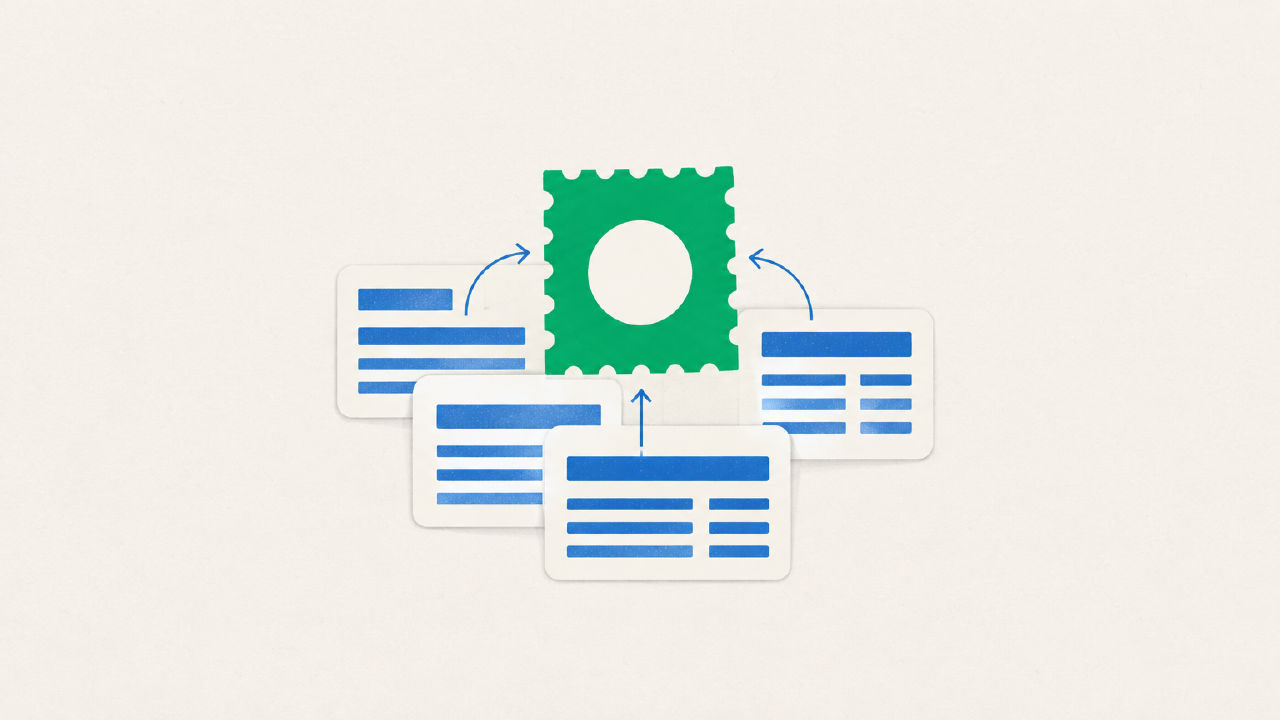
BIMI, in plain English: a DNS pointer to your logo
BIMI puts your logo in the inbox—but only once DMARC is doing its job. Here’s the simple version, without the hype.
12 Nov 2026

Black Friday deliverability checklist to do now
Fix spam, auth and unsub now—Black Friday forgiveness isn’t real. Yahoo caps spam at 0.3%, wants DMARC and one‑click unsub; Microsoft limits bulk. Here’s your do‑now plan.
11 Nov 2026
Consistency beats frequency
A steady cadence beats more sends. Here’s how to pick a schedule you can keep, avoid deliverability dips when promos hit, and still ship revenue.
15 Nov 2026

Brand impersonation: start with DMARC enforcement
Valimail’s playbook says: get to DMARC enforcement, add BIMI, watch lookalikes, and take fakes down fast. Here’s the practical order of operations.
7 Nov 2026