A new infostealer uses LLMs to pick its richest targets
A new Windows info‑stealer uses big-name LLMs to sort stolen loot by who’s most profitable to rob—and it raids Outlook and Slack on the way.

By Nora Vale· Email Vox · 4 Nov 2026
Key facts
- ■Researchers spotted a new Windows info‑stealer called VOLTA‑AUTODOXER.
- ■VOLTA uses LLMs—Claude, Gemini, and Kimi—to rank victims by monetization value.
- ■The malware steals passwords and cookies from Chromium‑based browsers.
- ■It also targets Outlook profiles and Slack workspaces for mail and org context.
- ■LLM‑driven triage can speed up targeted inbox abuse and BEC follow‑ons.
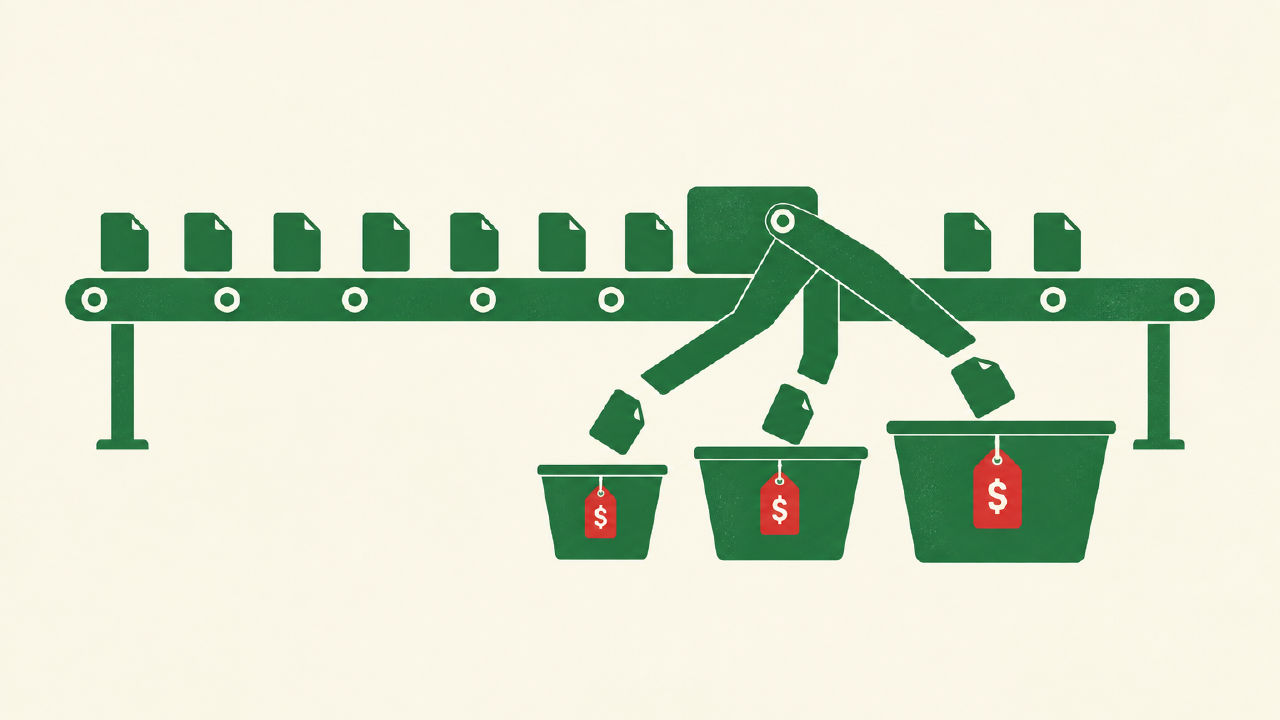
Malware usually sprays and prays: steal everything, sort it later. VOLTA flips that. Researchers say the Windows info‑stealer taps large language models (LLMs) to score who’s worth robbing first—and it loots Outlook and Slack on the way.
The discovery, reported by The Hacker News, names the malware VOLTA‑AUTODOXER (aka VOLTA). It pulls passwords and cookies from Chromium‑based browsers, then digs into Outlook profiles and Slack workspaces to broaden the haul. The punchline: it queries LLMs like Anthropic’s Claude, Google’s Gemini, and Moonshot’s Kimi to rank victims by monetization potential.
What happened
Cybersecurity researchers uncovered VOLTA’s playbook on Windows: harvest from Chromium browsers, exfiltrate mail and chat artifacts, and ask an LLM to triage who’s lucrative. The Hacker News says the malware targets Chromium stores for passwords and session cookies, which cover popular browsers like Chrome, Edge, Brave, and Opera.
Beyond the browser, VOLTA reportedly scrapes data from Outlook profiles. On Windows, those profiles can reveal mailbox configuration and stored secrets, raising the risk of inbox access or downstream account recovery abuse if paired with stolen cookies.
The campaign also touches Slack workspaces, according to the report. Exposed workspace tokens or cached data can map teams, channels, and roles—handy for targeted social engineering and lateral movement once attackers decide who’s “high value.”
LLM usage is VOLTA’s novelty. Instead of humans sifting stolen files, the malware pings Claude, Gemini, and Kimi to evaluate victim data and sort targets by likely profit. That automation compresses the window between compromise and follow‑on actions like account takeover, payroll fraud, or vendor impersonation.
Ranking victims changes attacker workflow. If finance, executive assistants, or billing inbox owners bubble to the top, criminals can focus spoofed invoices and thread hijacks faster—tactics that repeatedly hit Microsoft 365 tenants in recent campaigns we covered, including token replay intrusions and AI‑cloned login phish that lift MFA.
VOLTA’s browser cookie theft matters because cookies can bypass passwords and multi‑factor prompts. We’ve seen how attackers scale this, from device‑code phishing to adversary‑in‑the‑middle kits. A stealer that also grabs Outlook and Slack context makes those tokens more dangerous by pinpointing who unlocks the biggest payout.
The background
Info‑stealers thrive because one infected machine often unlocks many doors: webmail, CRM, billing portals, and cloud consoles. We recently covered a separate stealer, “Aokigahara,” raiding developer keyrings and AI sessions, demonstrating how a single box can be a shortcut to code, cloud, and company context.
VOLTA adds triage. LLMs are inexpensive, fast, and fluent at summarizing messy data—exactly what criminals need to prioritize. Off‑the‑shelf models like Claude, Gemini, and Kimi can extract titles, departments, and financial hints from scraped inbox settings, Slack channel names, and browser autofill, then score potential ROI.
That scoring feeds classic email crime. Business email compromise (BEC) thrives on context: who approves payments, which vendors invoice monthly, what wording feels normal. Outlook profile artifacts plus Slack workspace clues let attackers stage convincing reply‑chain fraud and vendor impersonation without weeks of recon.
Email defenses are evolving too. Our reporting on phish baiting AI email assistants shows attackers already shaping how automated tools read messages. VOLTA’s twist moves AI to the back end—optimizing targets after theft rather than writing lures—yet the outcome is the same: more precise inbox abuse, sooner.
Policy guardrails matter as inbox providers get stricter. Recent shifts we covered, like Gmail’s tighter placement and authentication expectations, mean spoofers and lookalikes face more filters, but stolen sessions still walk around DMARC. That’s why we keep pushing DMARC plus identity hygiene, not either/or. If you’re new to the topic, the /category/security hub collects practical explainers and incident‑driven playbooks.
What people are saying
The Hacker News report attributes three specific LLMs—Claude, Gemini, and Kimi—as VOLTA’s triage engines. That detail signals criminals are comfortable calling mainstream AI APIs or self‑hosted analogs to automate victim scoring at volume.
Security teams view cookie theft as a persistent blind spot. Our previous coverage of Microsoft 365 token replay against 79 orgs documented how attackers slipped in without re‑prompting MFA, demonstrating why short‑lived sessions and continuous checks matter more than one‑time codes.
Defenders also flag collaboration pivots. Slack workspace data gives attackers a map of the org and a list of channels where finance and vendor ops live. That’s fertile ground for social engineering and for staging convincing messages that look like normal internal chatter.
Vendors are leaning into layered detection. Integrations that blend mailbox telemetry, browser signals, and identity analytics aim to spot anomalous access and message intent rather than single indicators—an approach we highlighted in platform tie‑ups and intent‑focused filtering earlier this year.
What happens next
Expect copycats. Once a stealer demonstrates that LLM‑driven triage shortens time‑to‑cash, other families will bolt on the same trick. It’s cheap, it scales, and it doesn’t require dazzling prompts—just enough structure to rank who’s likely to pay.
Prepare for faster inbox abuse after endpoint compromise. If an exec assistant’s machine gets popped, attackers won’t meander; they’ll go straight for wire approvals, vendor updates, and shared finance inboxes, armed with Outlook details and Slack context.
Tighten session hygiene now. Shorten browser session lifetimes for webmail and admin tools, force reauthentication for high‑risk actions, and watch for impossible travel on mail accounts. When cookies leak, they should expire before they’re monetized.
Harden identity and brand in parallel. Enforce SPF, DKIM, and DMARC at p=reject to block brand lookalikes while you lock down sessions. We’ve published step‑by‑steps to get there without trashing deliverability, including our practical plans in DMARC just got real: a 4‑week plan to harden delivery.
Watch collaboration pivots. Monitor Slack for new sessions from new locations, token reuse, and sudden channel browsing by rarely‑active users. Tie that to mail alerts for finance and vendor‑facing inboxes to catch cross‑app abuse quickly.
The Email Vox take
-
Block the easy wins. Enforce hardware‑backed MFA, short session lifetimes, and promptless reauth checks for sensitive inbox and admin actions. If sessions leak, they die fast.
-
Reduce cookie gold. Turn on browser isolation for webmail and admin panels, limit persistent logins, and monitor for impossible travel on mail accounts. Tie alerts to identity changes in Outlook and Slack to catch pivots.
-
Prepare for smarter triage. Assume attackers will prioritize your execs, finance, and high‑limit accounts. Pre‑stage stricter anomaly policies and DMARC enforcement for their domains and shared inboxes.
Frequently asked questions
- what is the volta infostealer?
- VOLTA (aka VOLTA‑AUTODOXER) is a new Windows info‑stealer that siphons data from Chromium browsers, Outlook profiles, and Slack workspaces, researchers told The Hacker News.
- how does volta use ai?
- Researchers say VOLTA queries large language models—Claude, Gemini, and Kimi—to triage stolen data and rank victims by likely monetization value.
- what data can volta steal from email apps?
- The malware can pull data from Outlook profiles on Windows, which can expose mailbox access and account details useful for follow‑on compromise.
- why is browser cookie theft a big deal for email security?
- Session cookies from Chromium browsers can enable account access without passwords or MFA, risking inboxes and connected tools if exfiltrated.
- is volta focused on corporate tools?
- Yes. Beyond browsers and Outlook, VOLTA can collect data from Slack workspaces, giving attackers organization context and potential pivot points.
- which llms does volta reportedly call?
- According to The Hacker News, VOLTA taps Anthropic’s Claude, Google’s Gemini, and Moonshot’s Kimi to score victims’ value.
- what platforms are affected by volta?
- The malware targets Windows systems, where it hunts for browser data, Outlook profiles, and Slack artifacts.
- how is this different from other ai‑linked threats?
- Unlike phishing kits that mimic logins or steal MFA, VOLTA uses LLMs after the theft to prioritize monetization from the stolen haul.
Why this matters
Email‑driven crime keeps speeding up because attackers borrow the same automation and AI everyone else uses. VOLTA’s twist isn’t stealing more—it’s prioritizing better, which shortens the gap between compromise and targeted inbox abuse. For senders and security teams, that means executive mailboxes, finance addresses, and shared support queues will see smarter, faster follow‑on threats. The fix isn’t flashy: kill long‑lived sessions, harden identity for mail and chat, and enforce DMARC so lookalikes can’t piggyback your brand while attackers triage your people at machine speed.
Sources
Reporting draws on the public sources listed above. Spotted an error? Request a correction.
Related coverage
New ‘Aokigahara’ stealer raids dev keyrings and AI sessions
A new infostealer reportedly ransacks dev keyrings and AI assistant sessions, turning one infected machine into a shortcut to code, cloud, and company context.
30 Oct 2026
AI pen-test tool fuels massive hacks for $12
Researchers say a Chinese-speaking crew used the Cairn AI pen-test tool to loot hundreds of sites, while another campaign grabbed domain control for $12.
24 Oct 2026

AI is sweet‑talking help desks past MFA
Attackers are skipping malware and just calling the help desk. AI is making their pretexts smoother. The weak spot isn’t your endpoint. It’s your process.
26 Oct 2026
Phish are now baiting your AI email assistant
Attackers are slipping hidden instructions into emails to steer AI assistants. Here’s how the trick works—and what to lock down before it bites.
15 Oct 2026
Cyber insurers are now asking for DMARC receipts
Insurers now expect SPF, DKIM, and DMARC—while EU rules push the same controls. Here’s how underwriting shifted, what it asks in 2026, and why enforcement helps.
20 Oct 2026

Lock down your email in 30 days, no drama
A 30‑day security-and-deliverability tune‑up built from fall 2026 headlines: MFA‑bypass phish, AI‑baited inbox tools, Gmail’s vanished colors, and sharper blocklists.
18 Oct 2026